Daniel Sambold

Daniel Sambold

Marine Scientist · Environmental Steward · Computational Biologist

Nisene Marks State Park

Conservation & Trail Stewardship

Protecting old-growth redwoods and leading community conservation through science and stewardship

From the old-growth redwoods of Nisene Marks to the coastal wetlands of Elkhorn Slough, the Santa Cruz Mountains, and Big Sur — each landscape has reinforced that effective conservation requires both scientific rigor and grassroots engagement. Leading volunteers, clearing trails, removing invasive species, and restoring habitat across these organizations has shown me that stewardship is not a single act but a network of commitments.

Scroll to explore

Santa Cruz Mountains Trail Stewardship

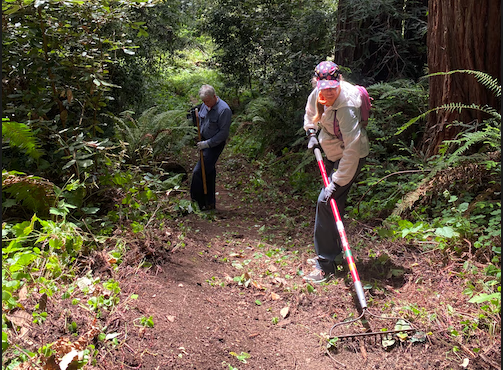
Part of SCMTS's volunteer trail crews building and maintaining trails at Wilder Ranch State Park and Henry Cowell Redwoods State Park — contributing to new public trail access in the Santa Cruz Mountains.

  • Trail construction and maintenance on state park lands
  • Contributing to expanded public access and conservation corridor connectivity
  • Part of a 25+ year legacy of volunteer-led trail building in the region
Trail Construction State Parks Volunteer Crew
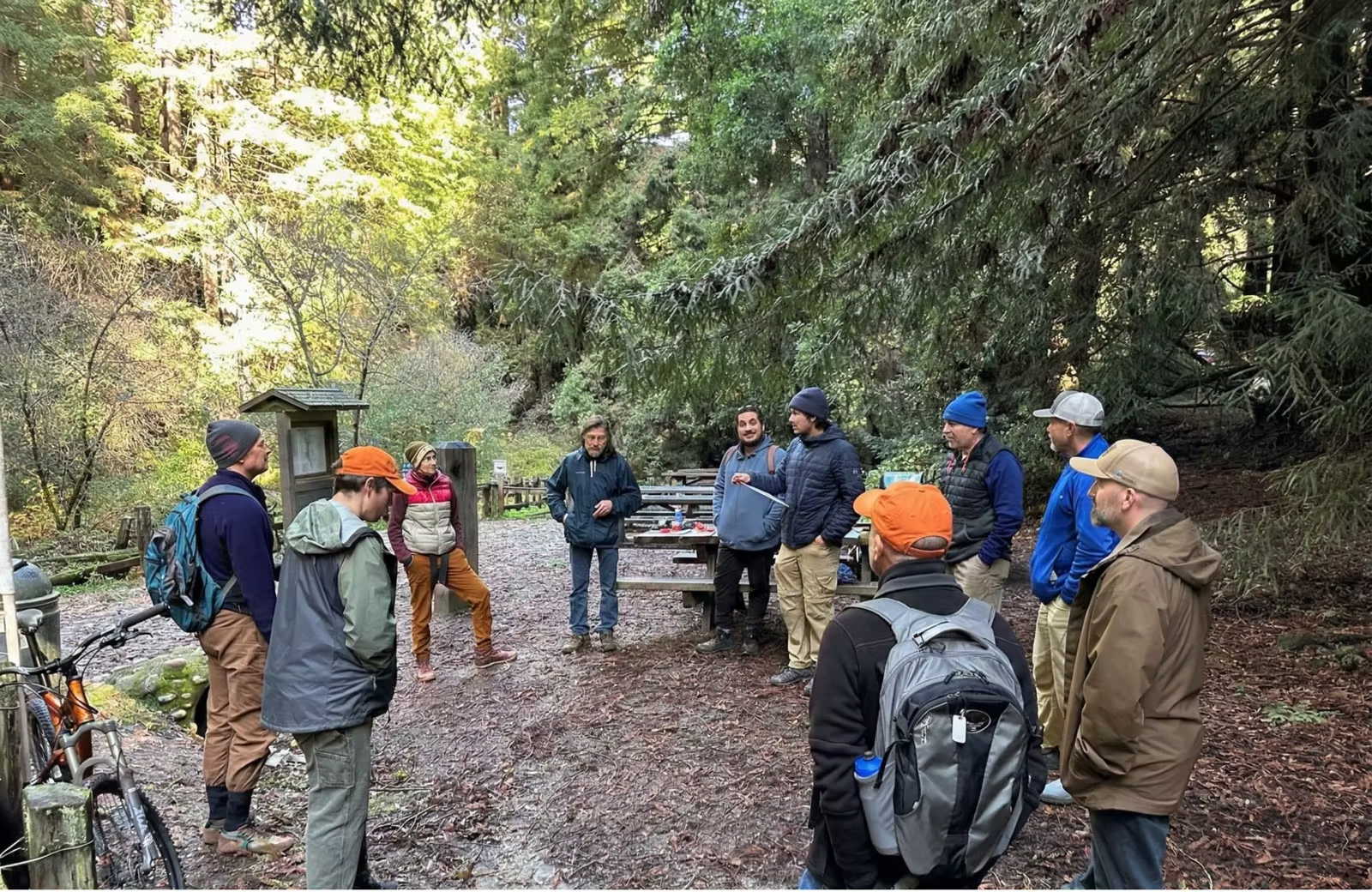
Community trail work at Nisene Marks

Trail Stewardship at Nisene Marks

As Trail Committee Chair for Advocates for Nisene Marks State Park, I lead conservation stewardship initiatives combining field leadership with geospatial technology to protect old-growth redwood ecosystems.

  • Organized trail maintenance days with 30+ volunteers addressing ecological hazards
  • Coordinated post-storm disaster assessment and cleanup operations
  • Created comprehensive GIS maps documenting hazards, erosion hotspots, and invasive species
  • Developed data-driven stewardship strategies for park management
GIS Mapping Volunteer Leadership Forest Ecology

Elkhorn Slough Trail Stewardship

Trail stewardship and habitat restoration at Elkhorn Slough National Estuarine Research Reserve — maintaining visitor access through coastal wetland environments while supporting the reserve's ecological mission.

  • Trail maintenance across the reserve's wetland and upland habitat network
  • Habitat restoration supporting one of California's last great coastal wetlands
  • Collaborating with reserve staff on stewardship alongside active research programs
Wetland Stewardship Habitat Restoration Trail Access
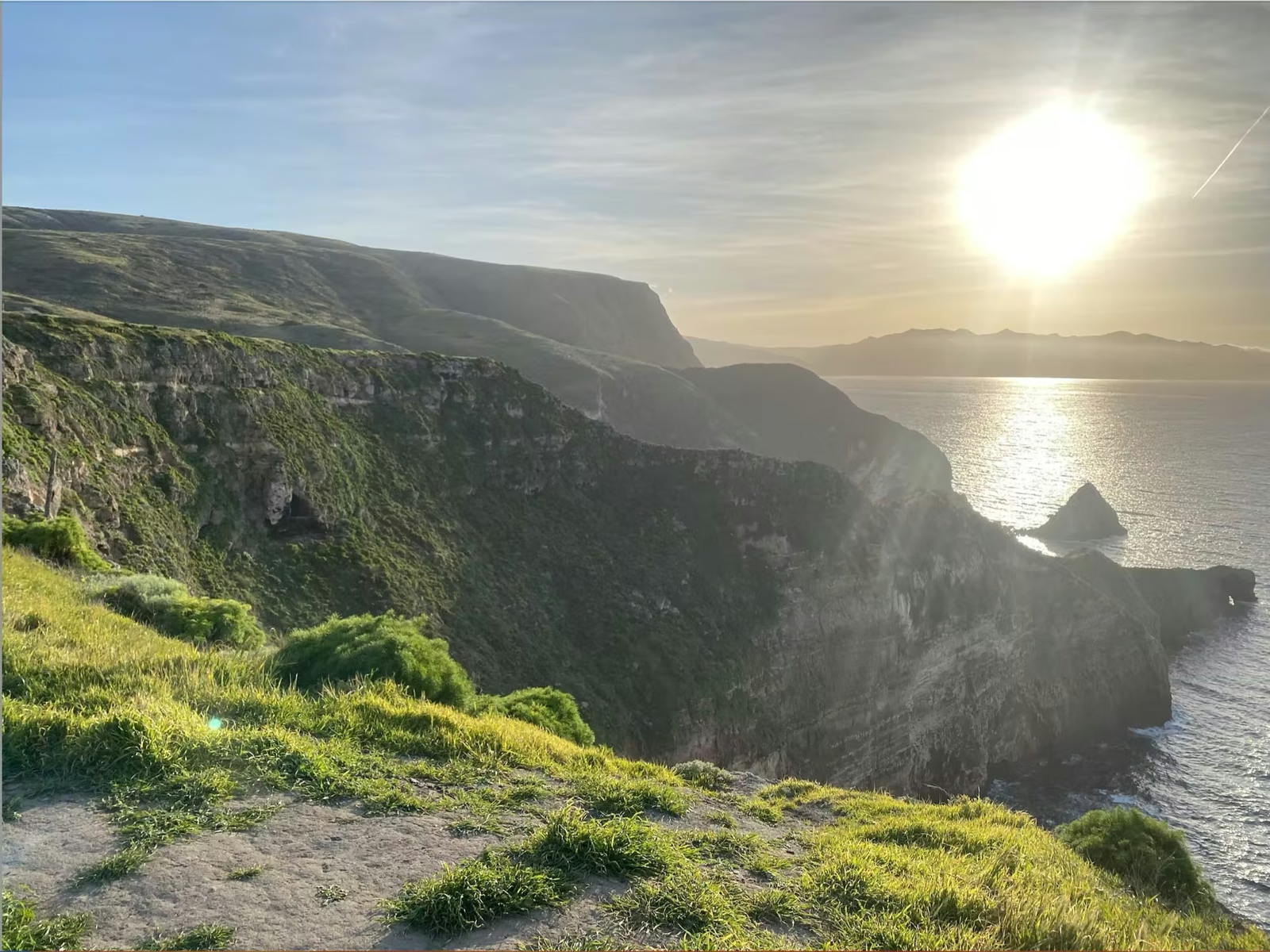
Coastal mountain landscape along the Big Sur coast

Big Sur Land Trust

Volunteer with the Stewardship Trails & Access Crew, maintaining roads, trails, and ecological integrity across Big Sur Land Trust's protected coastal and mountain landscapes.

  • Trail maintenance and restoration work supporting 20,000+ acres of protected land
  • Strengthened ecological resilience through hands-on habitat stewardship
  • Improved visitor access and experience on conservation properties
Trail Building Ecological Restoration Community Stewardship

Santa Lucia Conservancy

Conservation volunteer on the 20,000-acre Santa Lucia Preserve in Carmel, working alongside the Conservancy to maintain trails and support science-guided land management on permanently protected wildlands.

  • Trail maintenance across 10,360 acres of Conservancy-managed Wildlands
  • Invasive species removal and conservation grazing support
  • Biodiversity monitoring on lands protected for ecological integrity since 1995
Invasive Species Biodiversity Monitoring Land Stewardship

Research

Pick a card, any card

Shark Ecology Telemetry
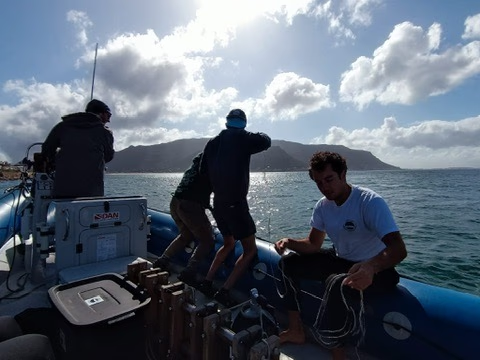
Shark tagging fieldwork
Aquaculture Restoration
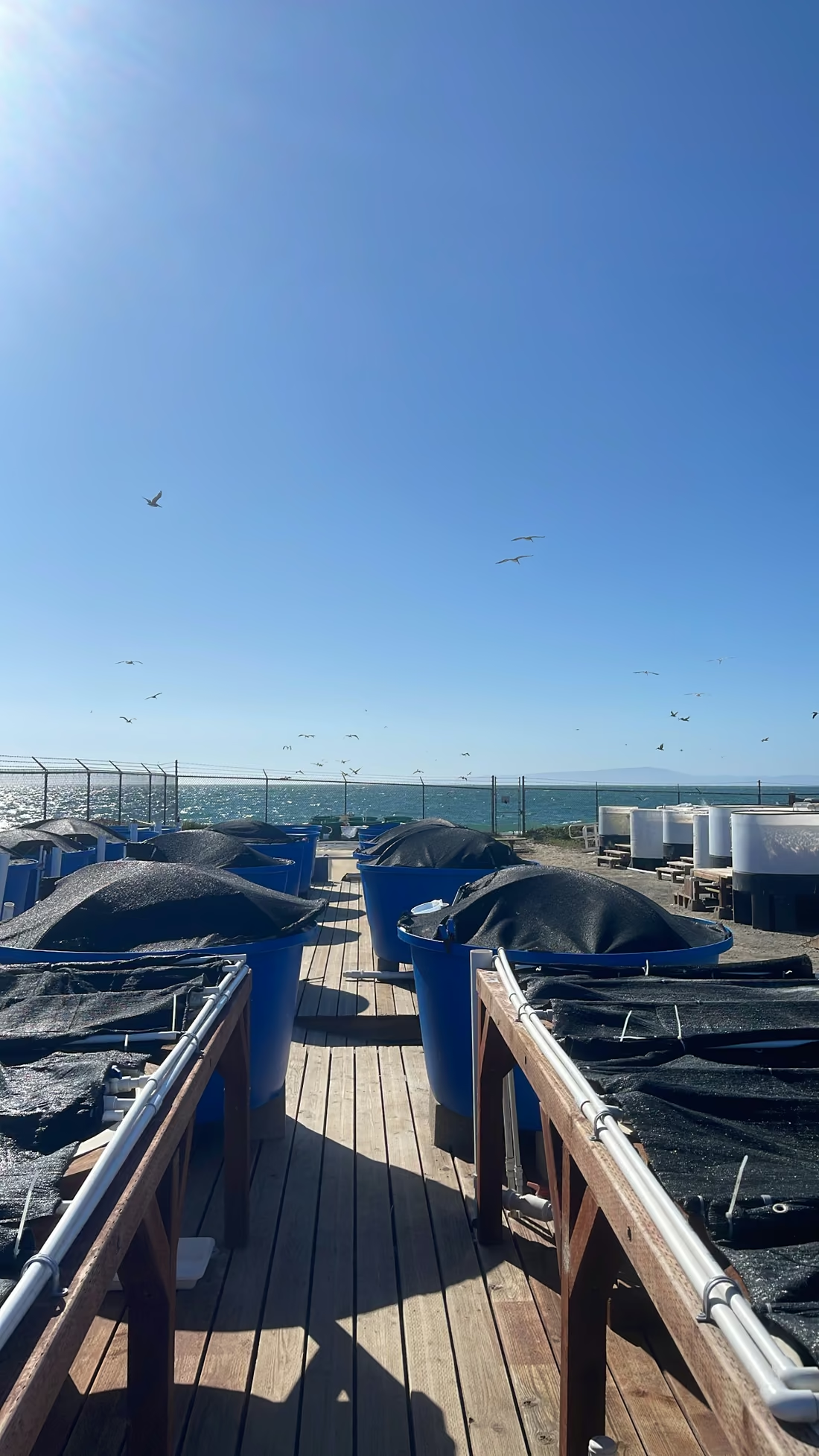
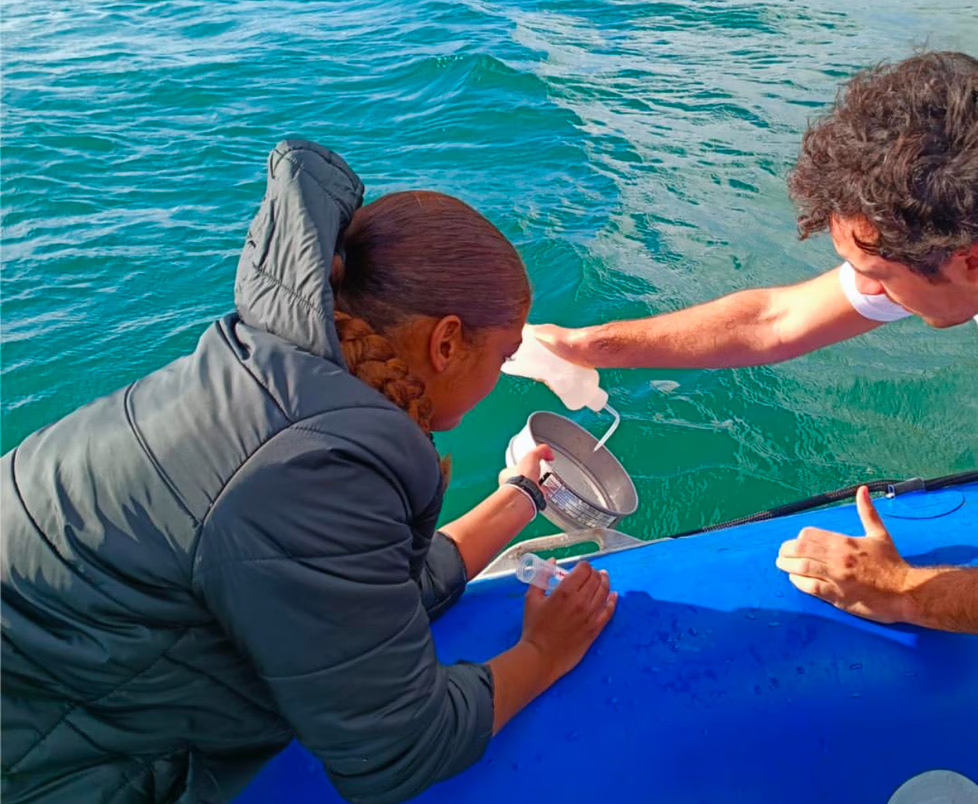
Aquaculture facility tanks
South Africa Field Work
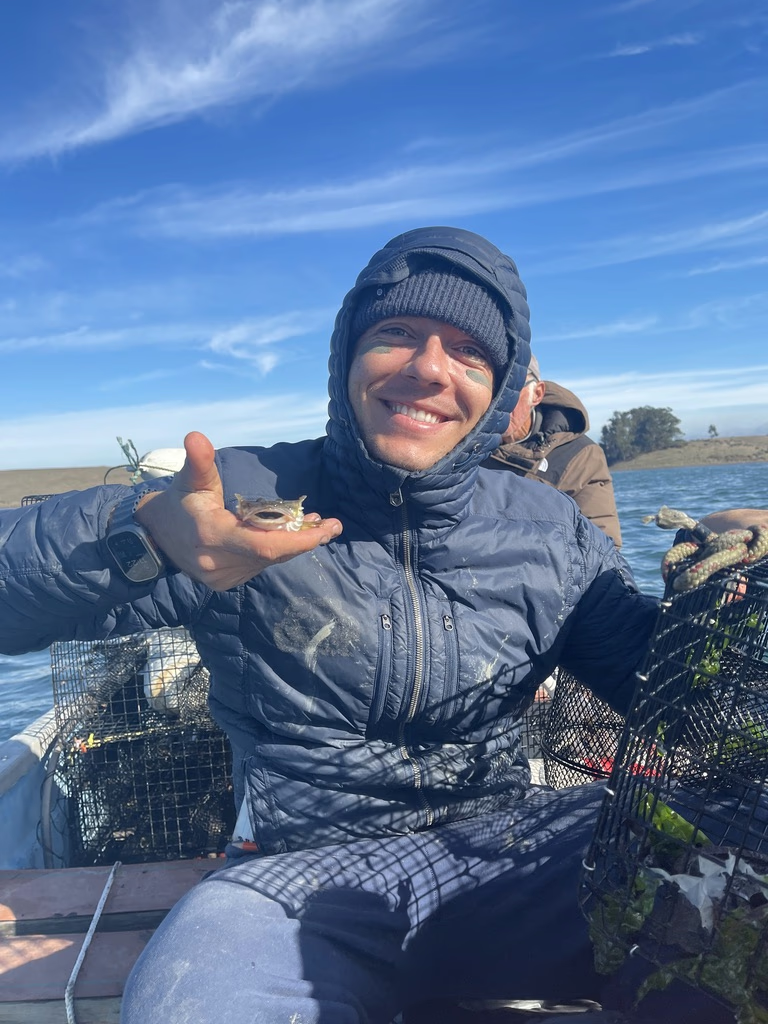
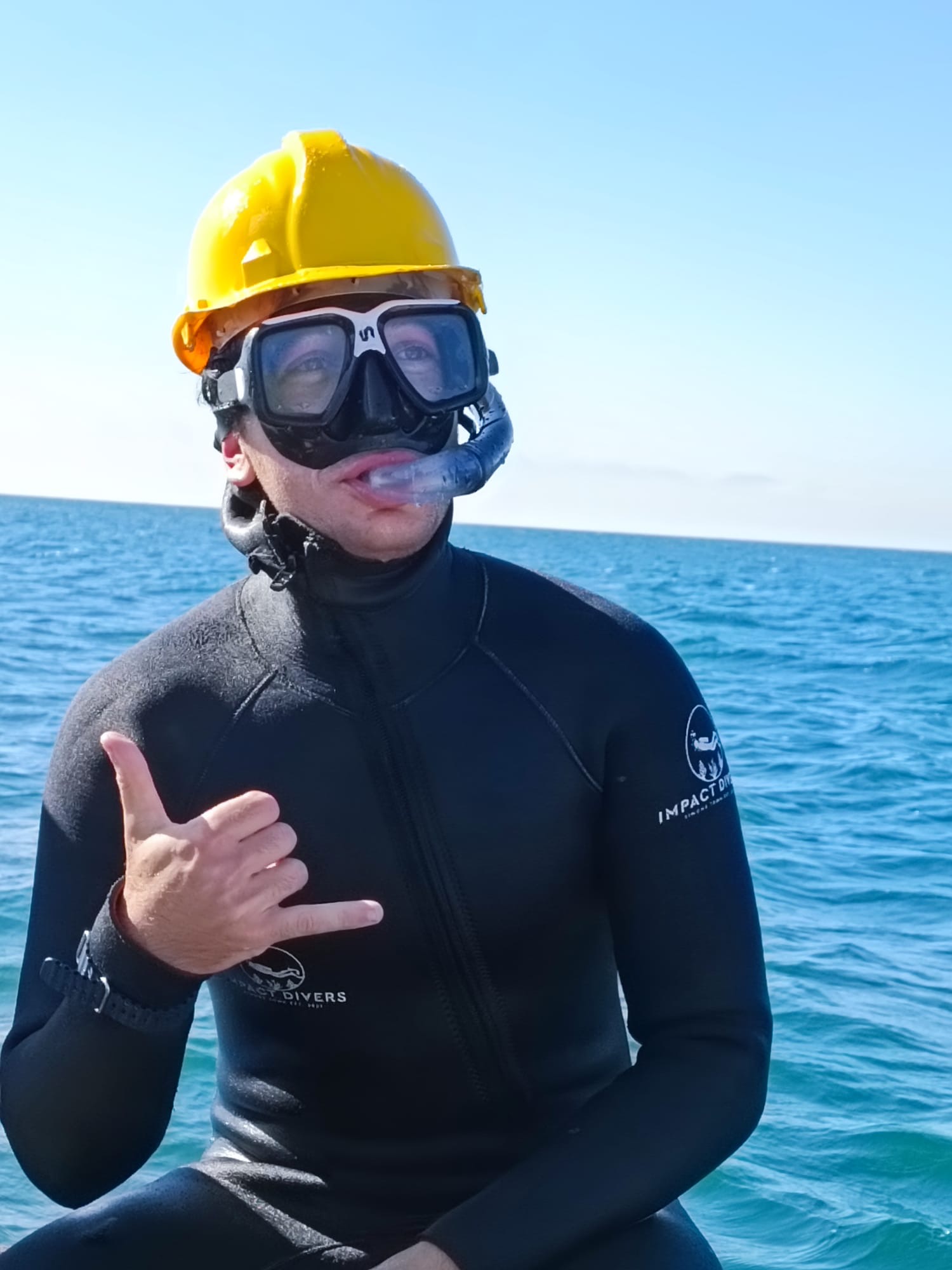
On a research boat in South Africa
Field Ops Diving
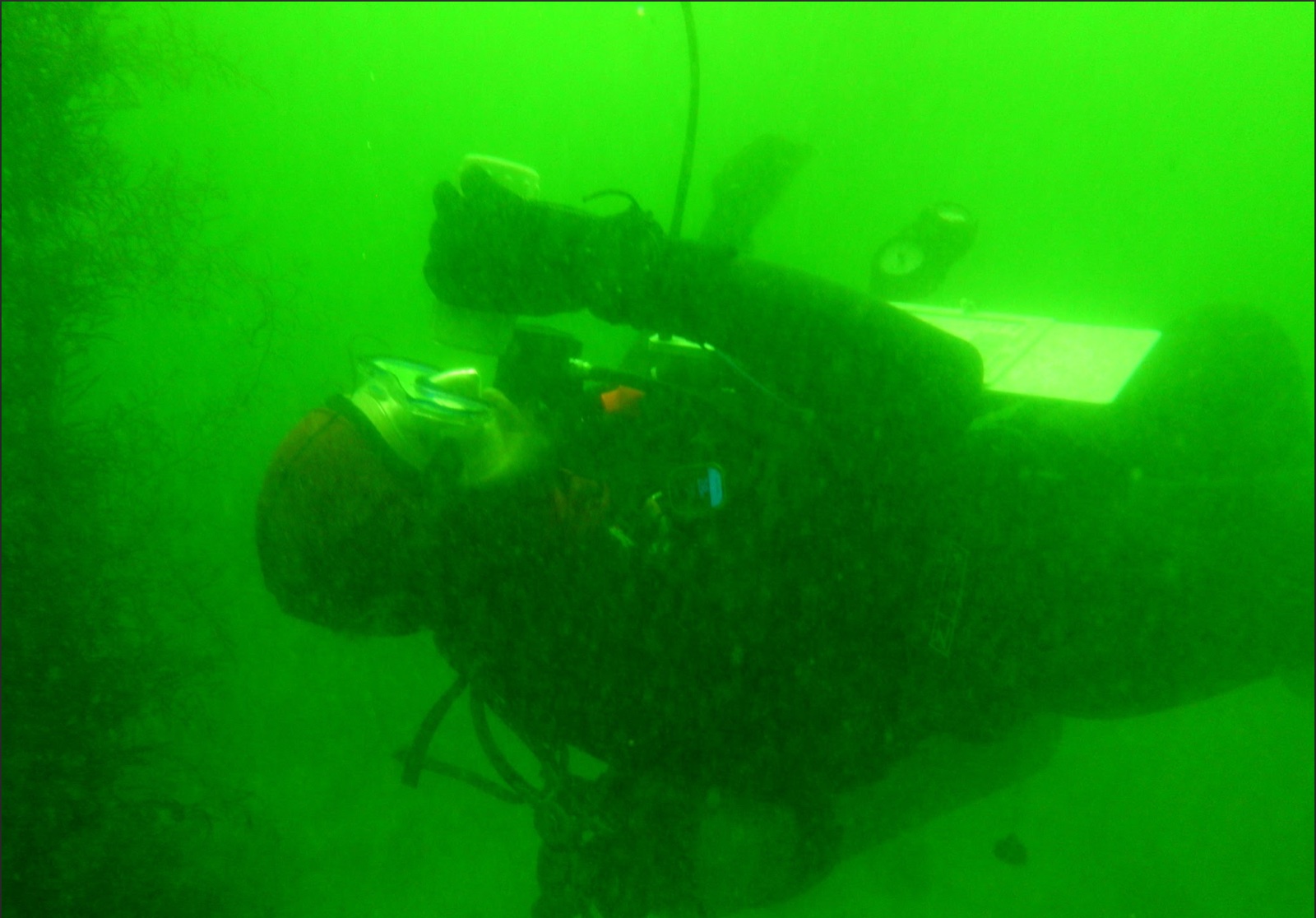
Marine field operations
Relay Stations Training
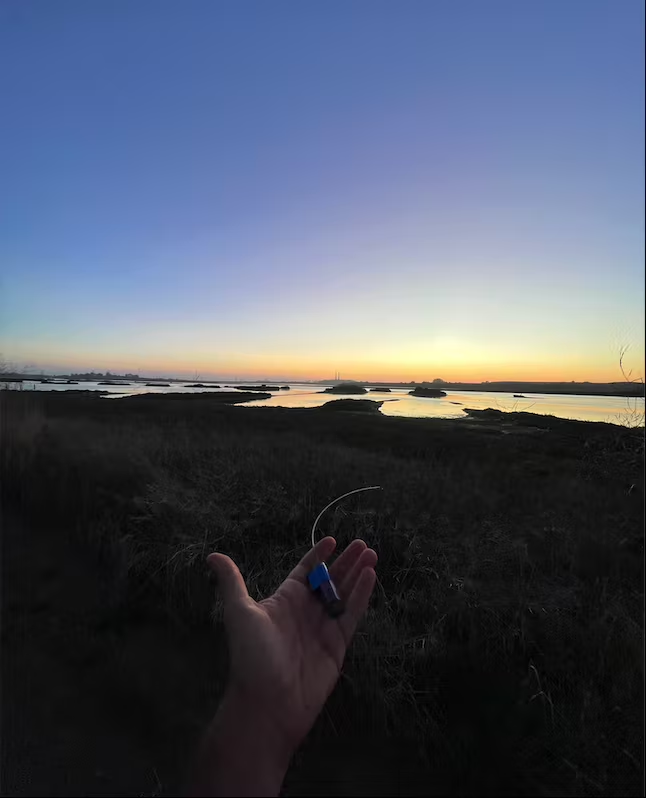
Relay station deployment at sunset

Hover a card to explore

Each card represents a research or presentation topic

GitHub GitHub
JPSS NOAA Sat Hack
Jorgensen Lab Jorgensen Lab
Jue Lab Jue Lab
daniel@macbook — ~/research-projects
$ tree --interactive
~/research-projects/
├──
│   ├──
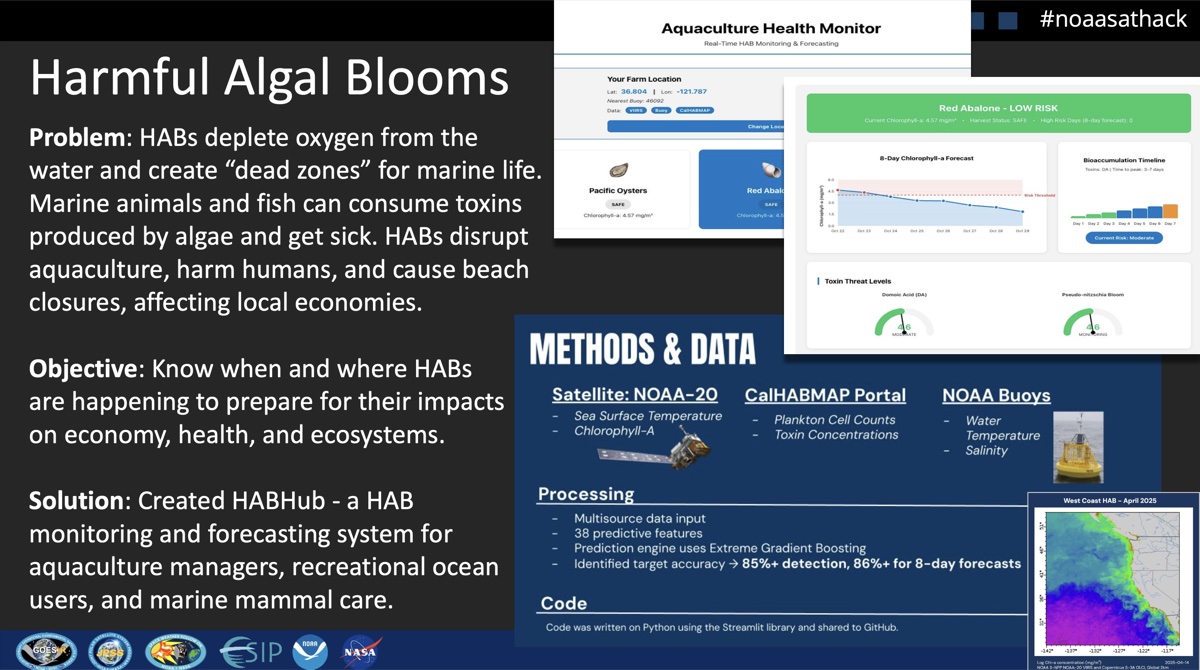
1st Place — NOAA Satellite Hack 2025
NOAA SatHack Summary

Real-time HAB monitoring combining NOAA VIIRS satellite data, buoy measurements, and ensemble ML. Built 3 custom REST APIs, dual dashboards for farmers and public safety, and automated alert system.

  • Automated NOAA ERDDAP fetching, 3D spatiotemporal datacube
  • XGBoost + CNN-LSTM + Kernel SVM ensemble (86%+ accuracy)
  • Species-specific bioaccumulation timelines
  • Historical validation against 1998 & 2015 bloom events
Python/Flask XGBoost CNN-LSTM NOAA VIIRS
│   ├──
├──
│   ├──
│   │   ├──

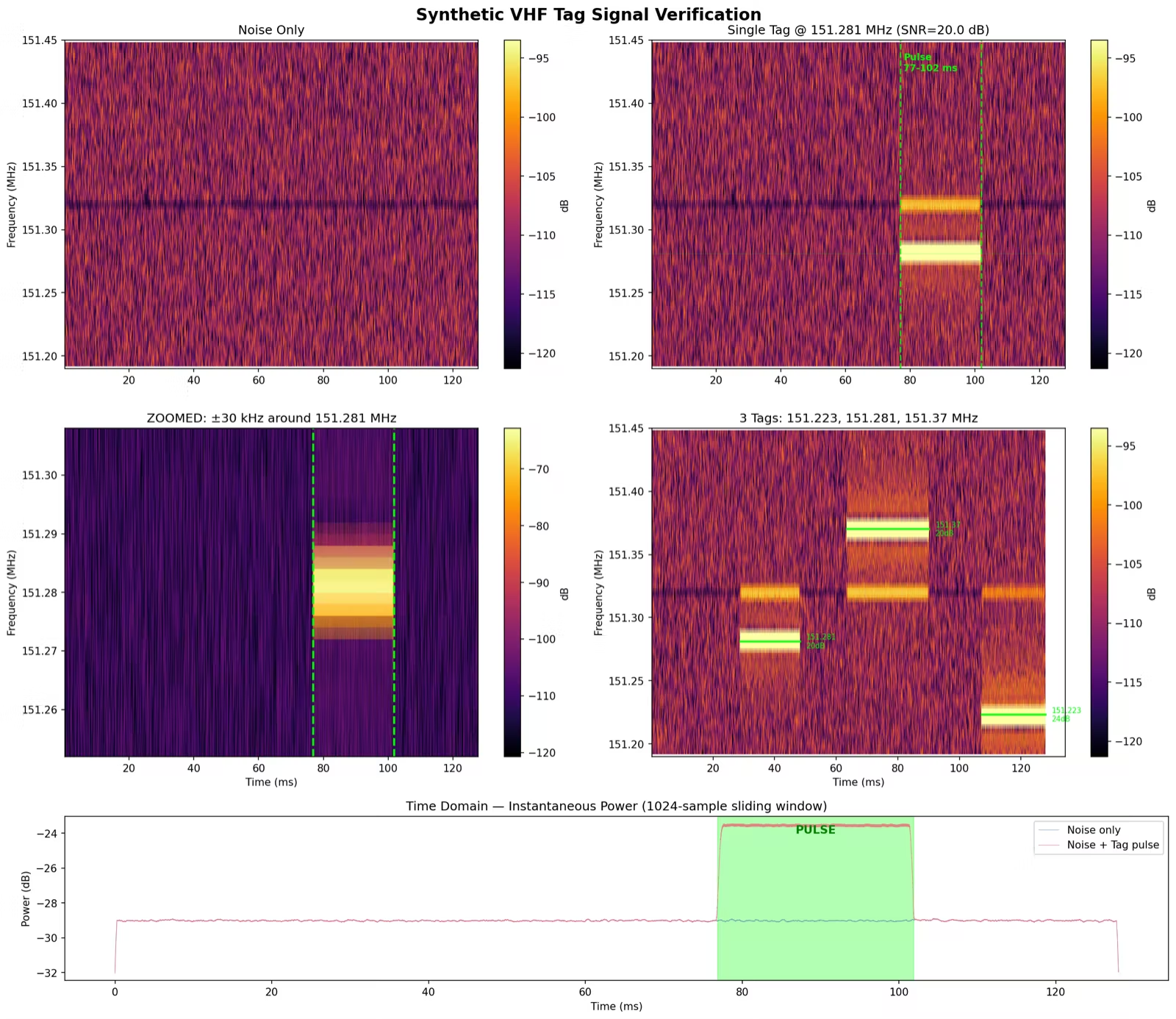
Custom-built edge station: Raspberry Pi 5 + RTL-SDR Blog V4 + SIM7028 NB-IoT HAT. Each unit operates autonomously in the field for weeks, detecting VHF wildlife tags across the 151 MHz band.

Raspberry Pi 5 RTL-SDR SIM7028 VHF 151 MHz
│   │   ├──

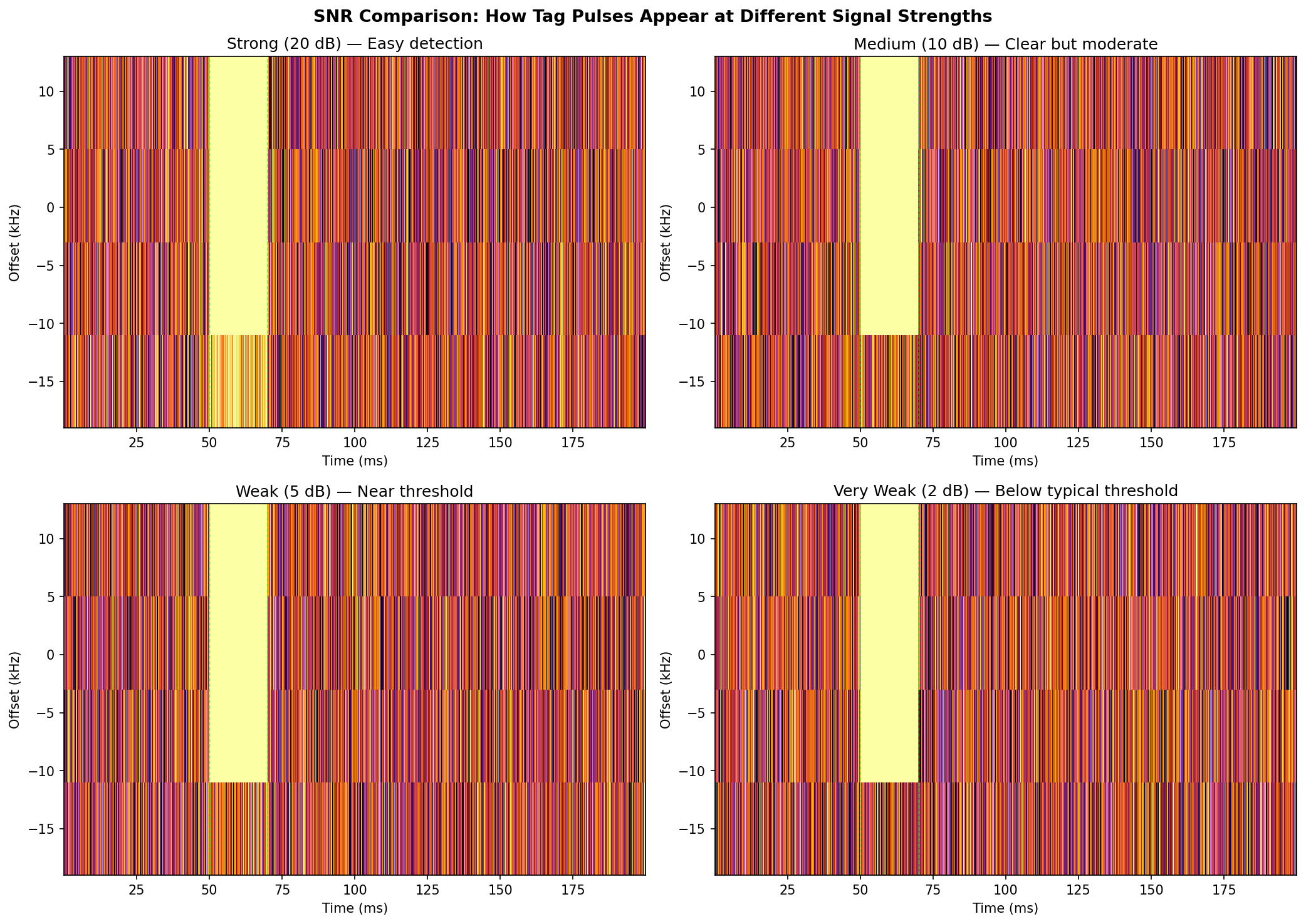
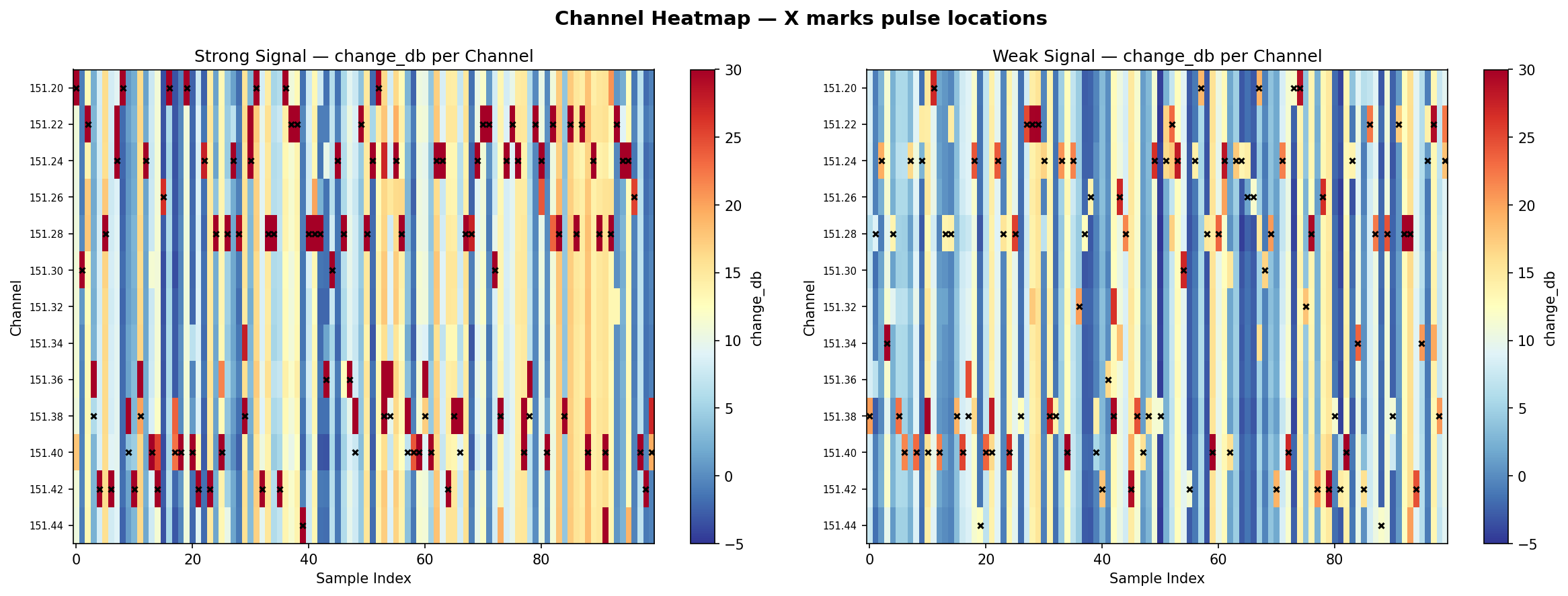
927-line multi-channel FFT-based detection engine. Processes 256K IQ samples through adaptive baseline tracking, pattern validation with ghost filtering, and coefficient-of-variation analysis to distinguish true repeating tags (CV < 0.15) from noise.

  • Multi-channel FFT across 151.19–151.45 MHz (20 kHz channels)
  • Adaptive baseline with rolling deque for noise floor tracking
  • Pulse pattern validation: handles missed pulses via 2x–3x interval estimation
  • Tag locking at 90%+ confidence — skips validation for confirmed detections
  • Bandwidth filtering rejects broadband noise (>15 kHz signal width)
NumPy FFT Scipy DSP Adaptive Thresholding
│   │   ├──
◁ ▷ ↻
🔒 xxx.xxx.x.xx:8080/dashboard

RelayStation Dashboard

Last update: 2:34:17 AM
Running
Active Tags
151.281 MHz LOCKED
Signal: +14.2 dB Confidence: 94% Interval: 1.024s Pulses: 847
151.340 MHz
Signal: +8.7 dB Confidence: 72% Interval: 1.012s Pulses: 213
Total Detections
1,247
Uptime
3d 14h 22m
System Health
CPU
42%
MEM
67%
DISK
52%
Recent Detections
151.281 MHz
+14.2 dB
3s ago
151.340 MHz
+8.7 dB
8s ago
151.281 MHz
+13.8 dB
12s ago
151.340 MHz
+7.9 dB
18s ago
151.281 MHz
+15.1 dB
24s ago

Dual dashboard architecture: local Flask station dashboard for real-time tag detection and system health, plus a centralized FastAPI server with 35+ REST endpoints, 8-table SQLite schema, HMAC auth, and Leaflet geographic mapping for multi-station fleet monitoring.

Flask FastAPI SQLite Leaflet REST API
│   │   ├──
┌─────────────┐ WiFi ┌──────────────┐ │ Pi Station │──────────────▶│ Central API │ │ (Edge) │ │ (FastAPI) │ │ │ NB-IoT │ │ │ RTL-SDR ─▶│──────────────▶│ Dashboard │ │ Detector │ (Failover) │ SQLite DB │ │ │ │ Leaflet Map │ └──────┬──────┘ └──────────────┘ │ ┌───▼───┐ │Offline│ ← SQLite queue │Queue │ (10K events max) └───────┘

Automatic WiFi-to-NB-IoT failover for network resilience. SQLite-backed offline queue buffers detections during connectivity gaps. Batched events use single-letter JSON keys to achieve ~650 bytes per cellular alert. Exponential backoff (2s→60s) with connection state machine tracking wifi/nbiot/offline states.

NB-IoT AT Commands PySerial State Machine
│   │   └──

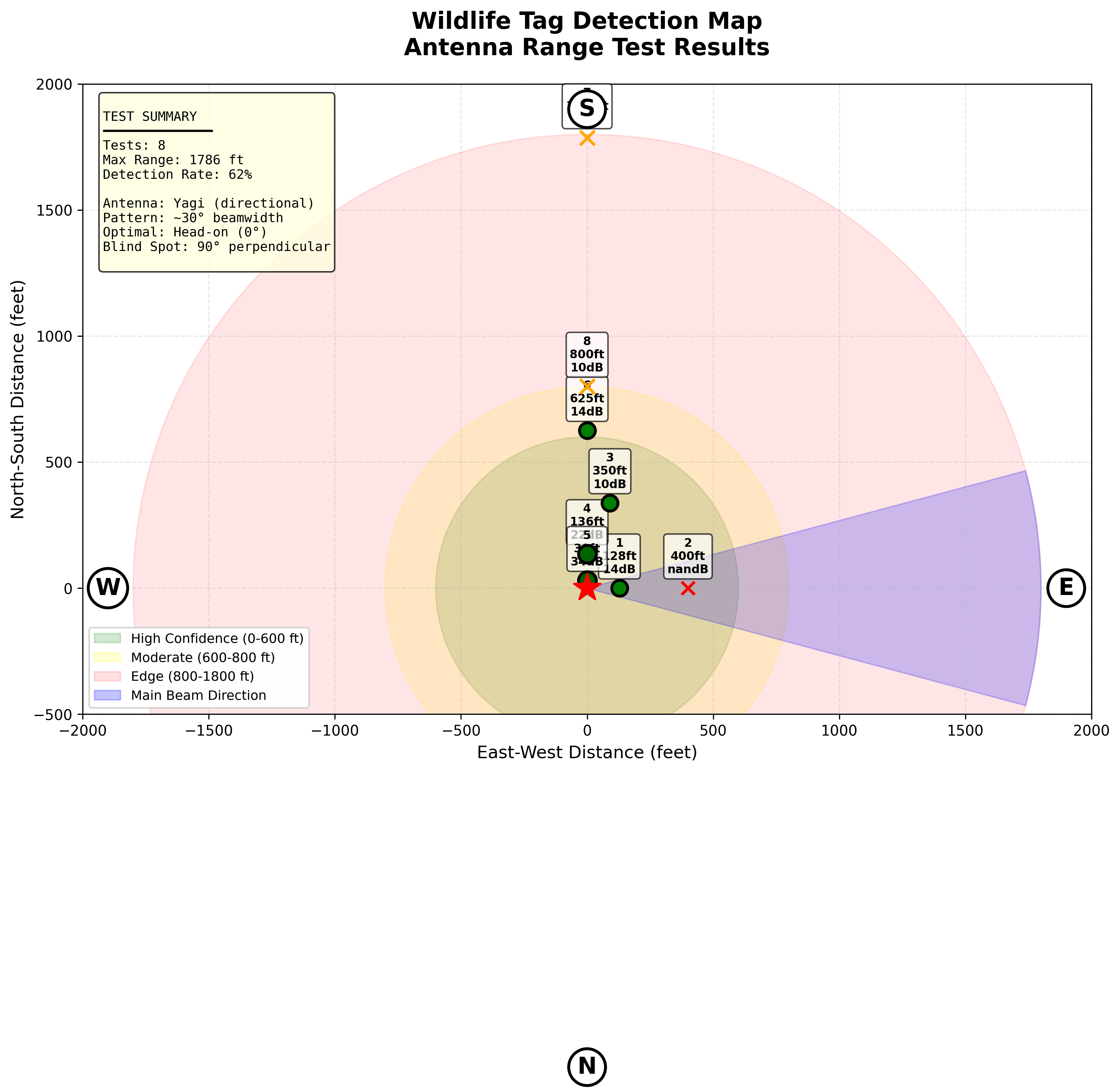
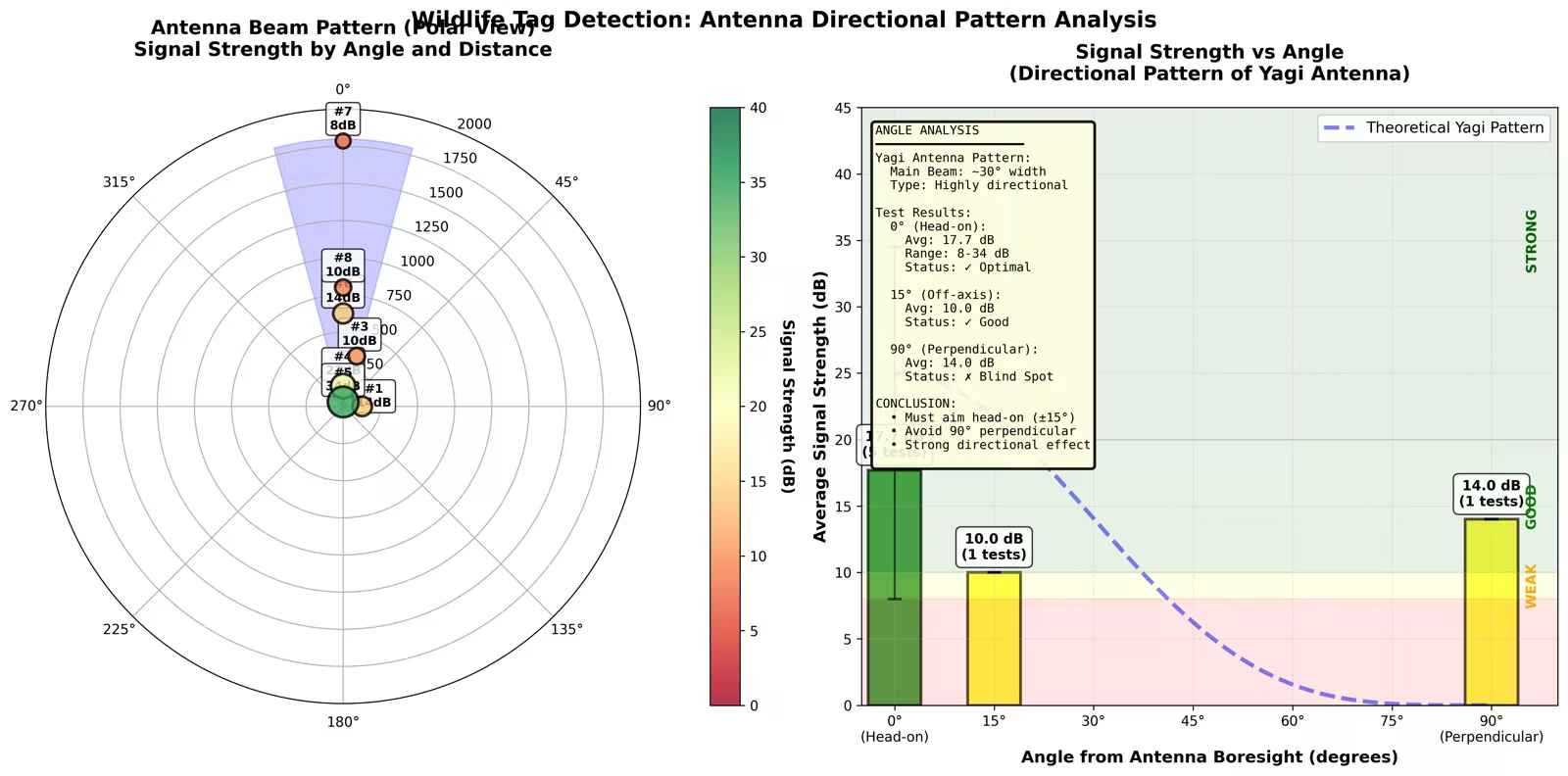
Field-tested at Monterey Bay coastal sites. Yagi directional antenna achieves 1,700+ ft max range with 62% detection rate. Auto-calibration sweep optimizes SDR gain (15–45 dB) on boot. Watchdog daemon monitors system health every 60s with 3-strike escalation policy.

1,700 ft
Max Range
62%
Detection Rate
~30°
Beamwidth
~650 B
Per Alert
3–50+
Stations
Field Testing Yagi Antenna Auto-Calibration Watchdog
→ github.com/dbold23/RelayStation-Deploy
│   ├──
│   │   ├──
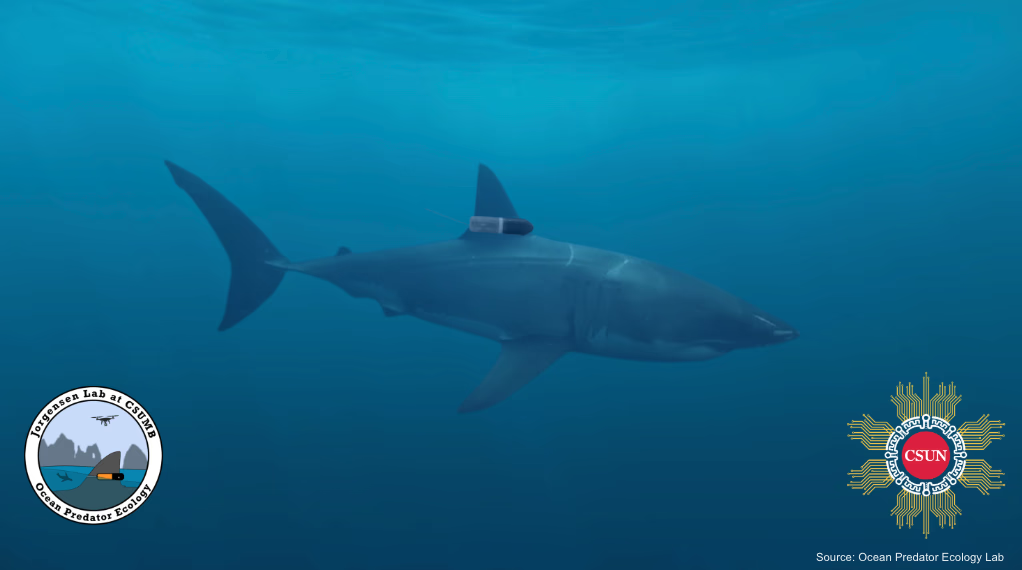
YOLOv8 pose detection on white shark (early 5-keypoint model)

Shown: first-generation 5-keypoint model. Current pipeline uses the 16-keypoint schema described below.

YOLOv8-pose model trained on 16 anatomical keypoints—9 Tier 1 body-axis landmarks (snout, eye, gill slits, pectoral base, dorsal base, caudal) and 7 Tier 2 fin tips—for white shark body condition assessment from underwater video. Extracts angle-tolerant morphometric ratios including total length, fork length, head-to-total ratio, and body condition index across 4 California research sites.
16-pt
Skeleton
4,850
Videos
0.96
Box mAP50
4
Sites
YOLOv8 Pose Estimation PyTorch Active Learning
│   │   ├──

Semi-supervised 8-stage pipeline: video cataloging → frame extraction → seed annotation → model training → active learning selection → human correction → pseudo-label amplification → refinement. Processes 4,850 videos (661 GB) spanning 2012–2026 across Año Nuevo, Aptos, Farallon Islands, and Point Reyes. Uncertainty + k-center diversity scoring selects the most informative frames for annotation, with pre-annotation from the current best model to accelerate human review.

Active Learning Semi-Supervised Google Colab AWS EC2
│   │   └──
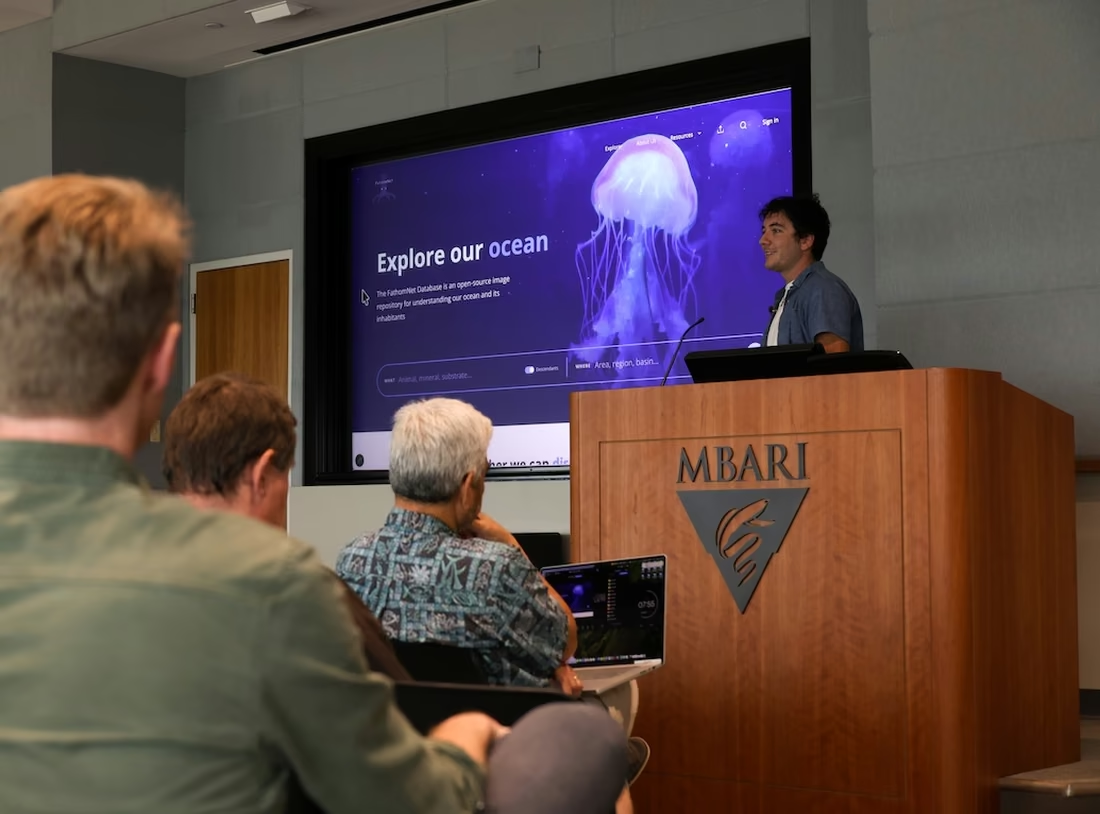
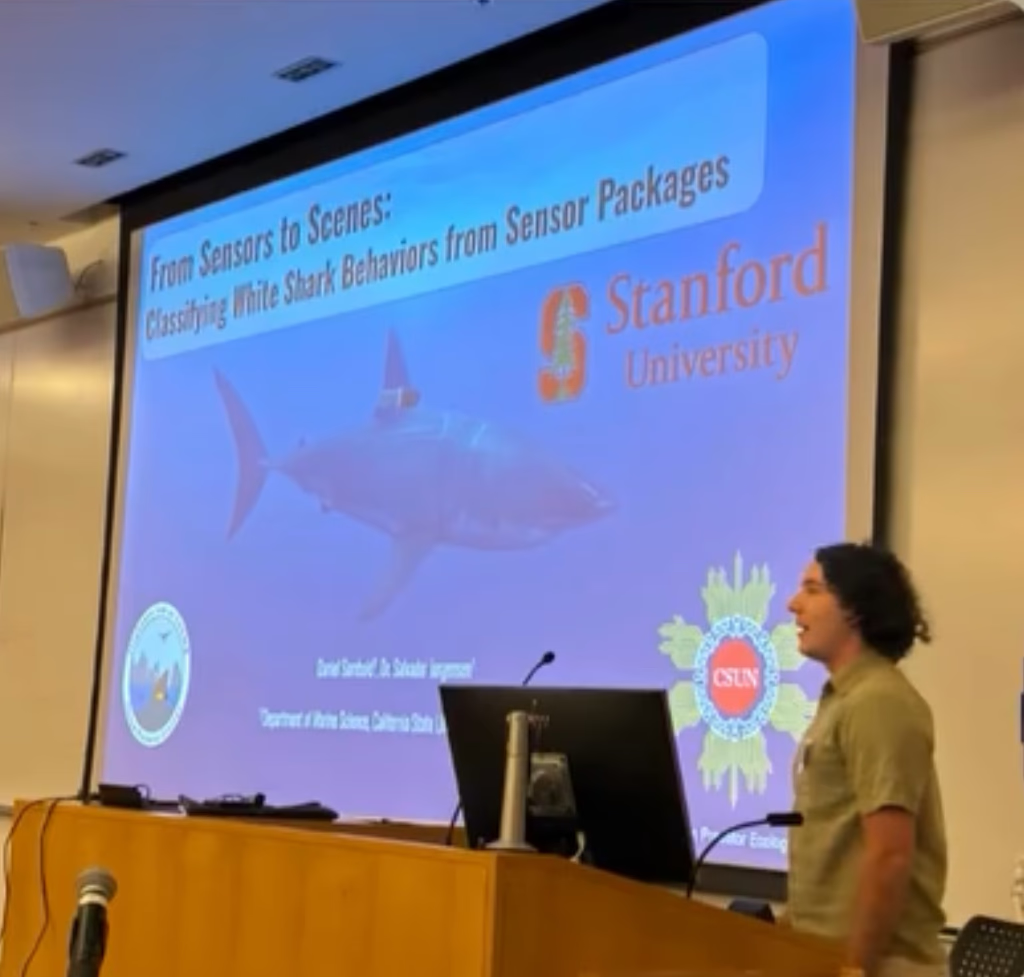
Presenting research

Presented research at multiple conferences including the CSUMB Summer Symposium on ML-based dorsal fin morphometrics for white shark identification and health assessment.

Summer symposium talk
→ github.com/dbold23/SharkHealthApp
│   ├──
│   │   ├──

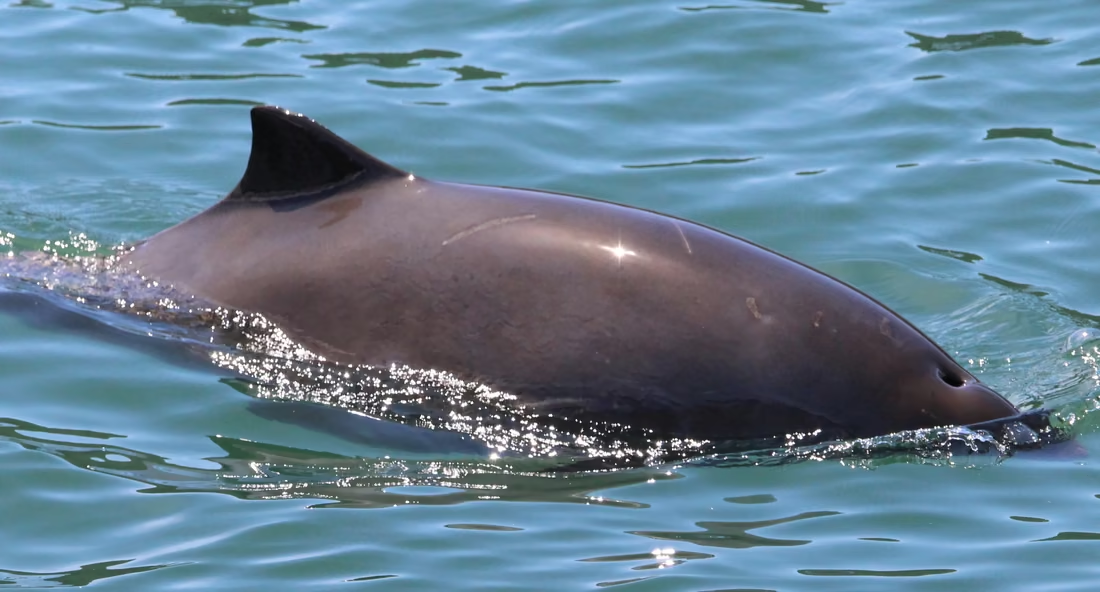
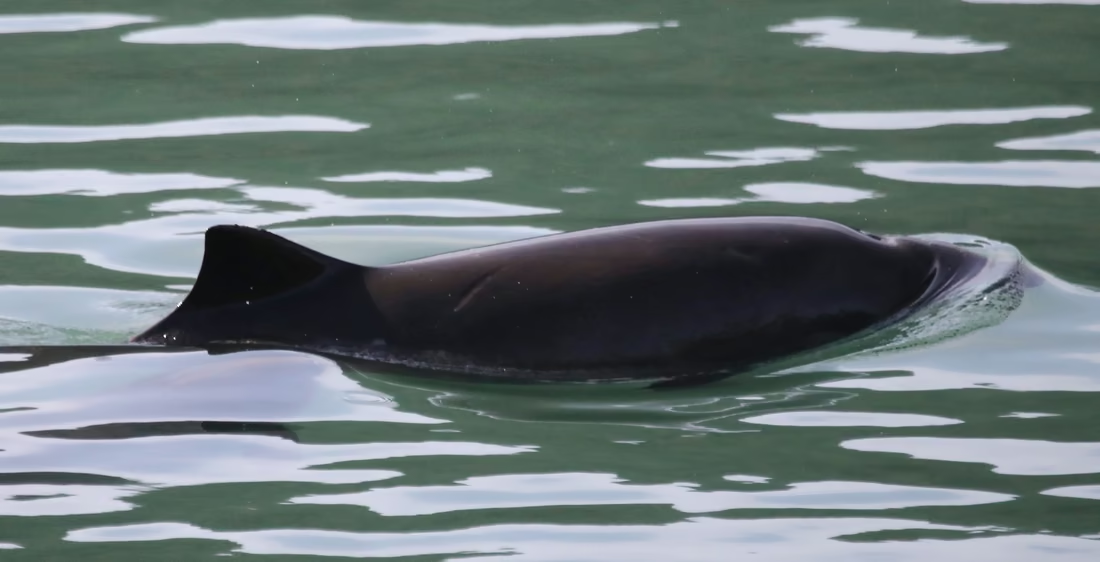
Automated harbor porpoise individual identification from dorsal fin photos. SAM 2 segments the body, protrusion geometry extracts the fin, MegaDescriptor-L-384 embeds the crop through an ArcFace head, and cosine similarity ranks the 198-individual catalog.

93.0%
Rank-1 Acc.
198
Individuals
2,153
Images
360/hr
Throughput
SAM 2 DINOv2 ArcFace MegaDescriptor PyTorch
│   │   ├──

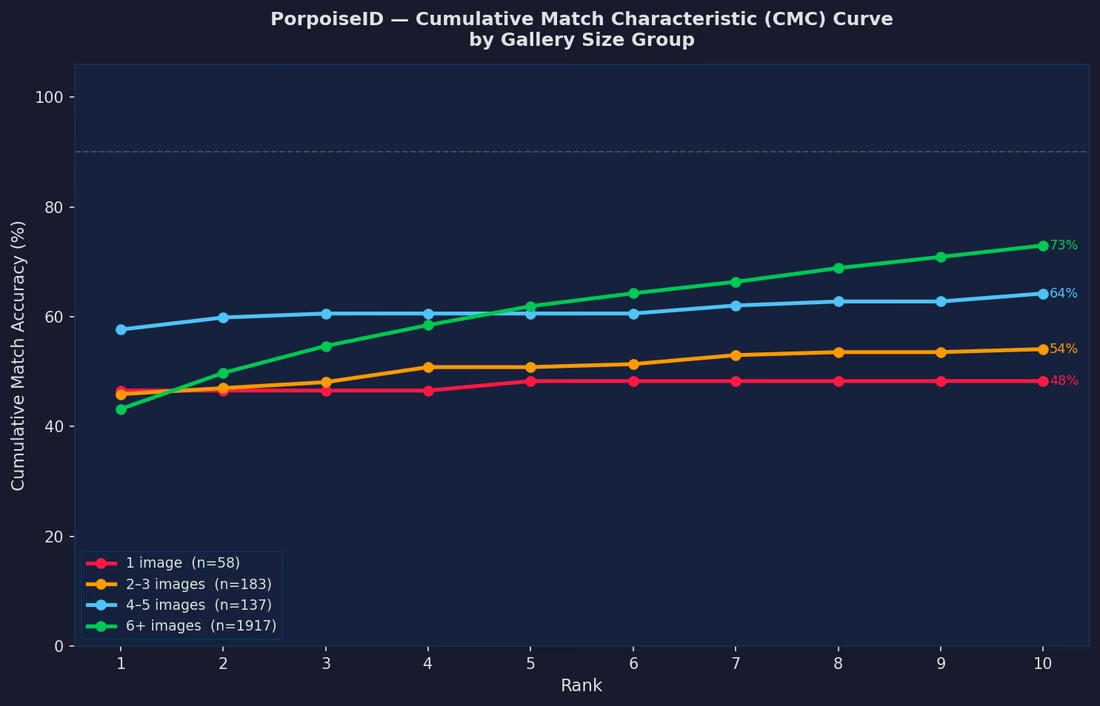
Leave-one-out evaluation on individuals with ≥5 sightings yields 93.0% rank-1 and 98.3% rank-5 accuracy. Temporal split (train ≤2022, test 2023+) gives 30.5% rank-1 — reflecting the real-world challenge of fin shape change over years. Gallery size experiments confirm more photos per individual directly improve re-ID accuracy.

CMC Curve Leave-One-Out Temporal Split
│   │   └──

Gradio web interface for field researchers to upload dorsal fin photos and receive ranked identity matches. Includes catalog browsing with individual sighting histories, Dropbox integration for photo ingestion, and batch processing. Deployed on an 8-node Raspberry Pi Kubernetes cluster processing 360 images/hour.

Gradio Dropbox API Kubernetes Raspberry Pi
→ github.com/dbold23/PorpoiseID
│   ├──
│   │   ├──

Full-stack Flask annotation platform for shark scar and morphometric data. SAM2 AI segmentation for body and scar detection, 15-point keypoint skeleton with auto-generation (click snout + caudal, remaining 13 points placed automatically), and 12-zone body diagram with 11 scar types. Multi-annotator consensus scoring with weighted voting by experience, proficiency, and confidence tiers.

15-pt
Skeleton
12
Body Zones
11
Scar Types
5–7
Annotators
Flask SAM2 SQLite Google OAuth COCO JSON
│   │   ├──
12-zone shark body diagram for anatomical scar location

Interactive 12-zone SVG body diagram for precise anatomical scar placement. Each zone is clickable and color-coded. Scar annotations include type classification, confidence rating (1–5 stars), side (left/right/dorsal/ventral), and free-text notes. Auto-save triggers every 5 minutes with unsaved-changes browser guard.

SVG Interactive Auto-Save
│   │   └──

Export pipeline supporting COCO JSON, Google Forms CSV, Keypoint CSV (wide format), and Google Sheets (3-tab: Scars, Keypoints, Admin Flags) with auto-sync on every annotation save. Google Drive integration auto-resolves video IDs with 3-tier resolution (local → cached → Drive). Deployed at annotate.shark-id.org on AWS EC2 with Docker Compose and nginx reverse proxy.

Google Sheets API Google Drive API Docker AWS EC2 nginx
→ github.com/dbold23/SharkScarAnnotator
│   ├──
│   │   ├──

LlamaIndex RAG pipeline with LanceDB vector store for citation-aware Q&A across shark research papers. Every answer includes [Author et al., Year, p.X] citations traced to source documents. Supports PDF, DOCX, HTML, EPUB, and Markdown ingestion with Docling section-aware parsing and PyMuPDF fallback.

20
Categories
3
Species
6
LLM Backends
512-tok
Chunks
LlamaIndex LanceDB RAG Docling
│   │   └──

Automated literature discovery via OpenAlex API with Unpaywall PDF downloading. Pre-configured for 20 shark research domains—morphometrics, telemetry, ecology, machine learning, genetics, behavior, conservation, and more—targeting white sharks, leopard sharks, and orcas. Gradio UI with 7 tabs for chat, upload, library management, summarization, and settings.

OpenAlex Unpaywall FastAPI Gradio
│   └──

Performed CFD analysis using OpenFOAM to model hydrodynamic drag around acoustic tags on shark dorsal fins. Iterative simulations refined tag geometry to minimize swimming resistance.

OpenFOAM CFD Hydrodynamics
├──
│   ├──

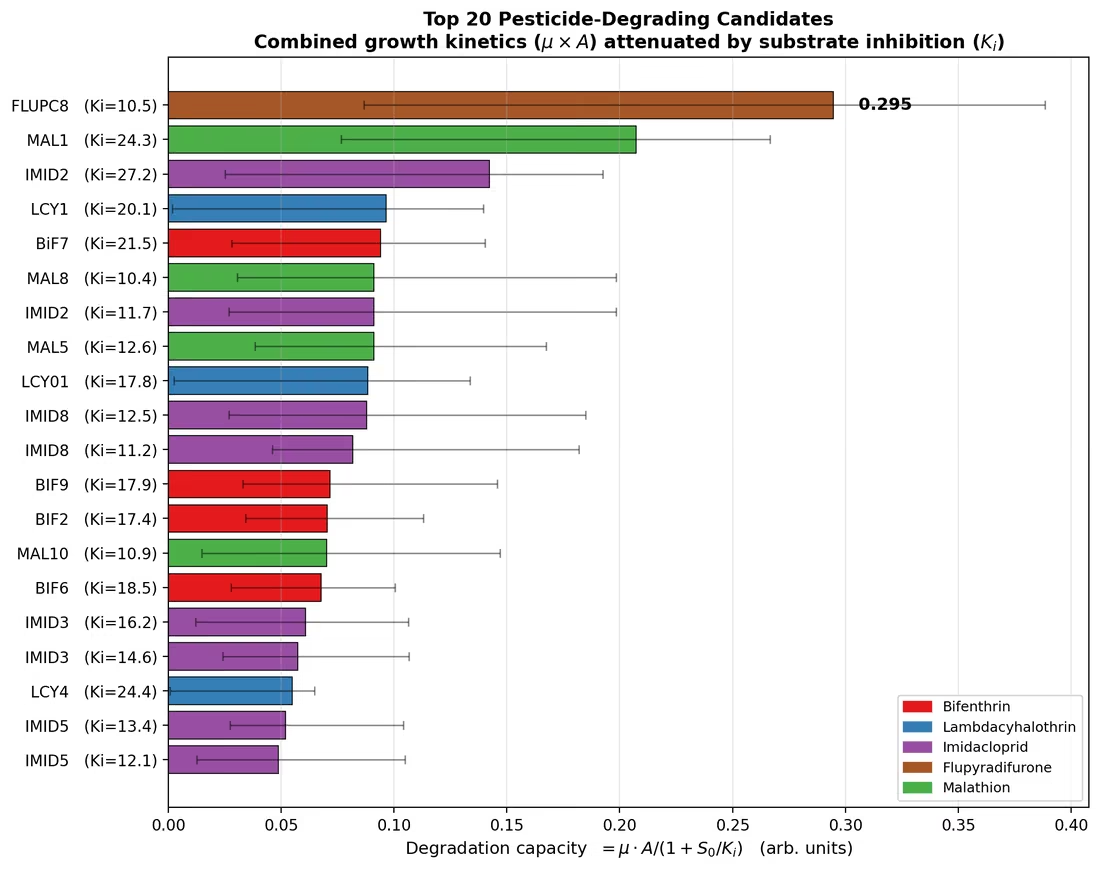
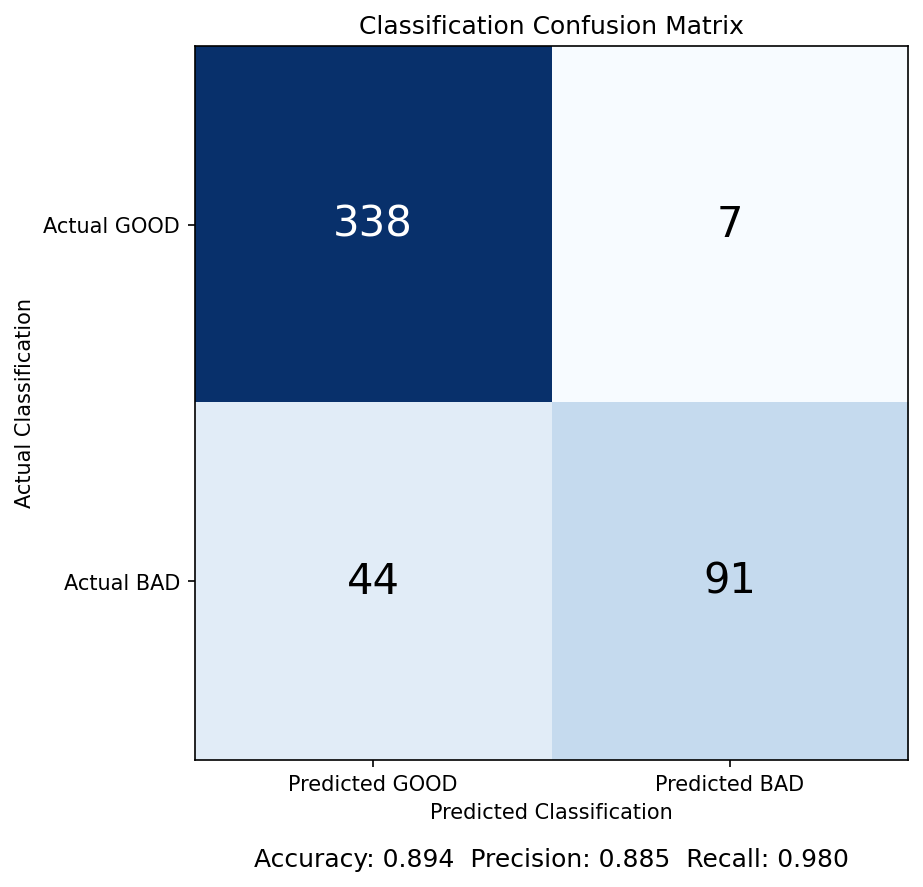
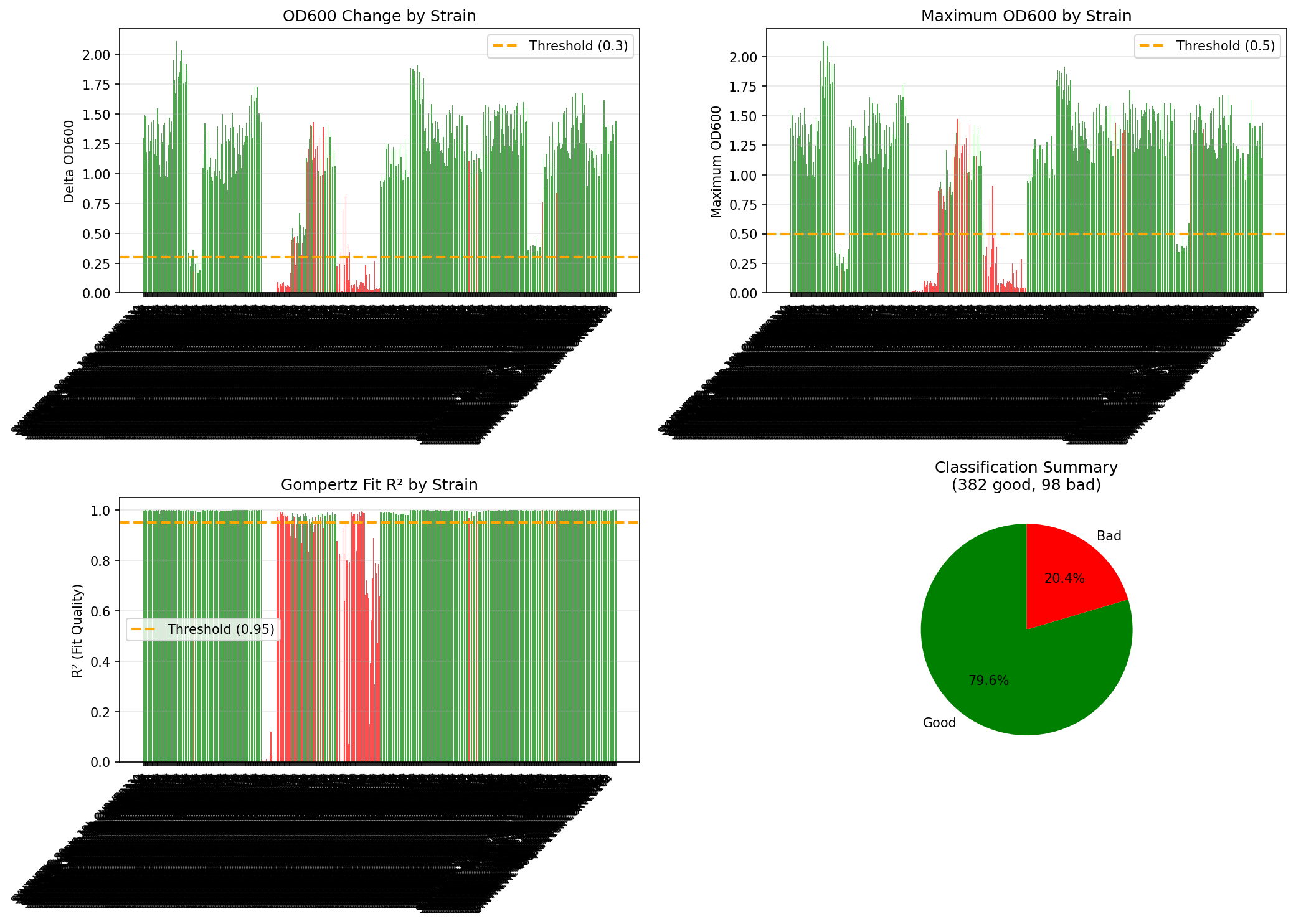
End-to-end pipeline for TECAN plate reader growth curve analysis on bacteria remediation strains. Automates the full workflow from raw data to publication-ready figures.

  • Parse — Read raw TECAN output, preprocess 96-well plate data
  • Process — Clean, normalize, blank-subtract, average triplicates
  • Analyze — Fit Gompertz growth models, classify curves (GOOD/BAD)
  • Haldane — Fit mechanistic substrate inhibition ODE to pesticide strains
  • Advanced Stats — GP truncation, Bayesian hierarchical models (NUTS/DEMetropolisZ), bootstrap CIs, WAIC/LOO model comparison
  • Plot & Validate — 480 synthetic curves + interactive manual audit tool
Python Bayesian Stats Gompertz PyMC
│   ├──
├──
    ├──
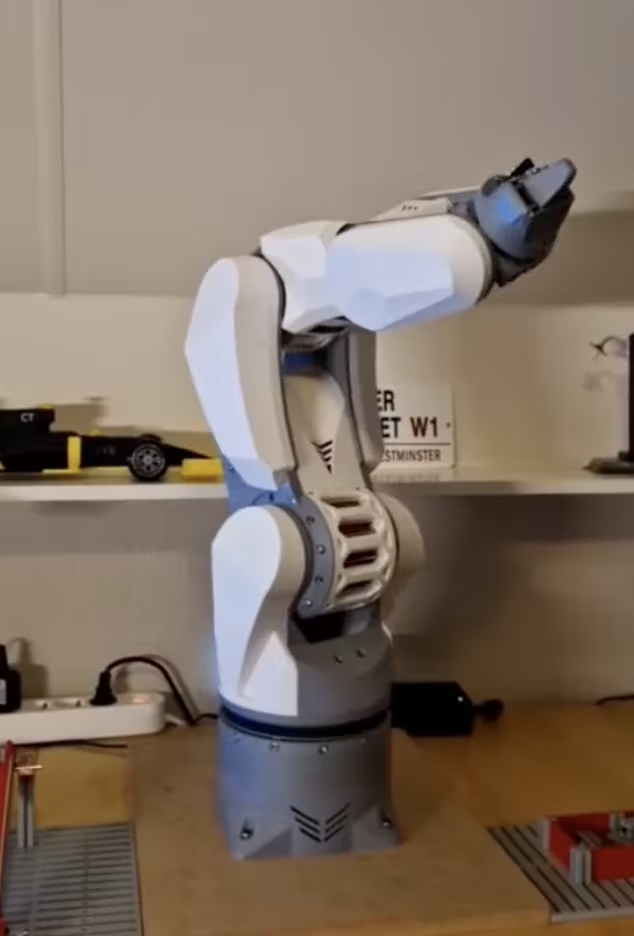
Arctos Robotic Arm

Multi-DOF robotic arm exploring kinematics, servo control, and mechanical design.

    ├──
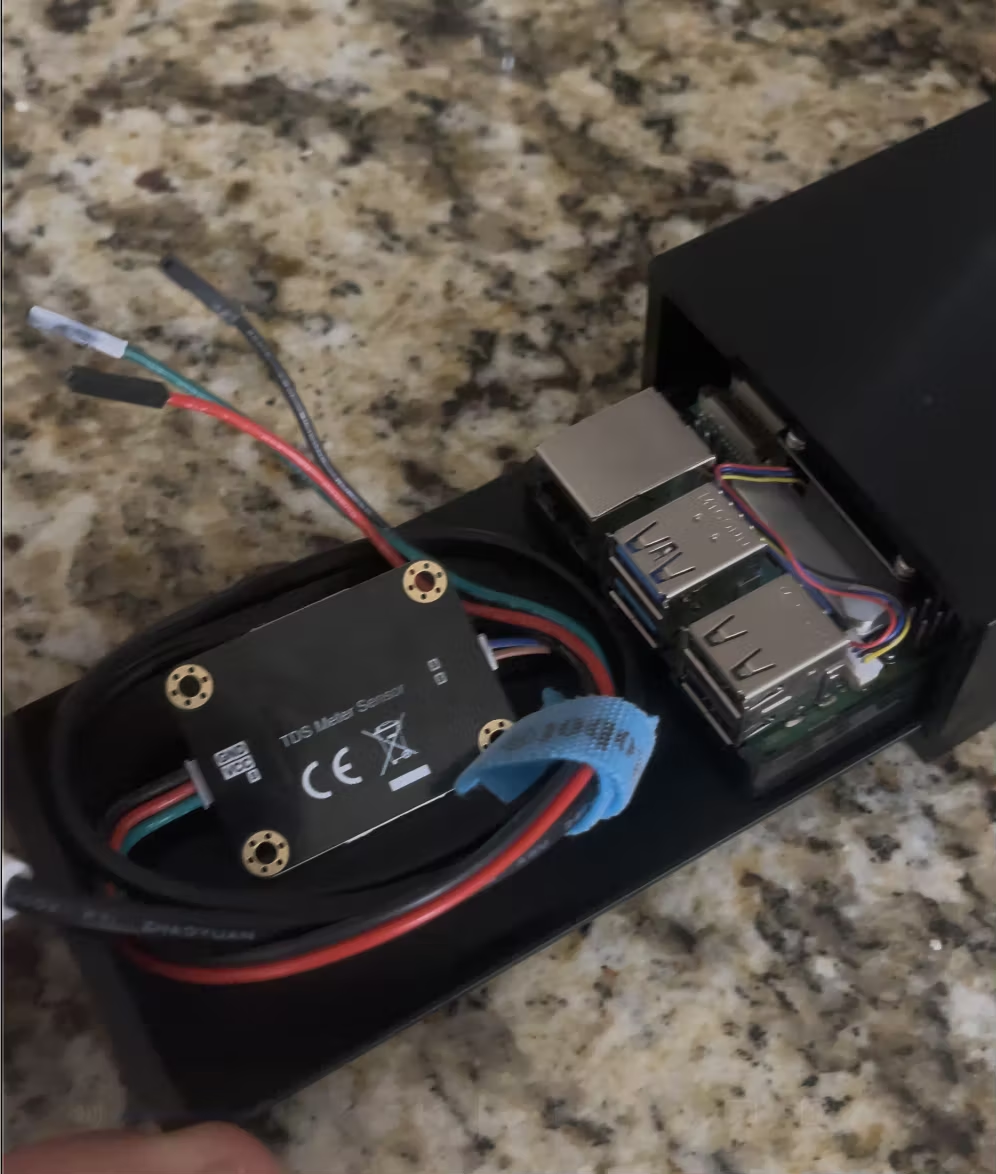
Water Quality Sensor

Custom monitoring devices measuring pH, temperature, DO, and salinity in real-time.

    └──

Research platform and learning opportunity for avionics. Custom-built FPV drone serving as a hands-on testbed for flight controller programming, PID tuning, ESC protocols, and radio telemetry systems.

└──
Languages Python, R, SQL, C/Arduino, JavaScript, Unix/Bash
ML / AI YOLO, XGBoost, CNN-LSTM, Computer Vision, scikit-learn
Web Flask, FastAPI, REST APIs, Streamlit, HTML/CSS/JS
Hardware Raspberry Pi, RTL-SDR, Arduino, IoT Sensors, NB-IoT
Data / DSP NumPy FFT, Satellite Data, Statistical Analysis, Visualization
Geospatial GIS, Movement Tracking, CAD, OpenFOAM CFD
DevOps Git, Linux, SSH, Systemd, Watchdog, Remote Deploy
daniel@macbook ~ $

Captain's Log

The story behind the science — seven chapters, one thread

"The frontier in marine science is not just about reaching new places, but about seeing what is already there in radically new ways."

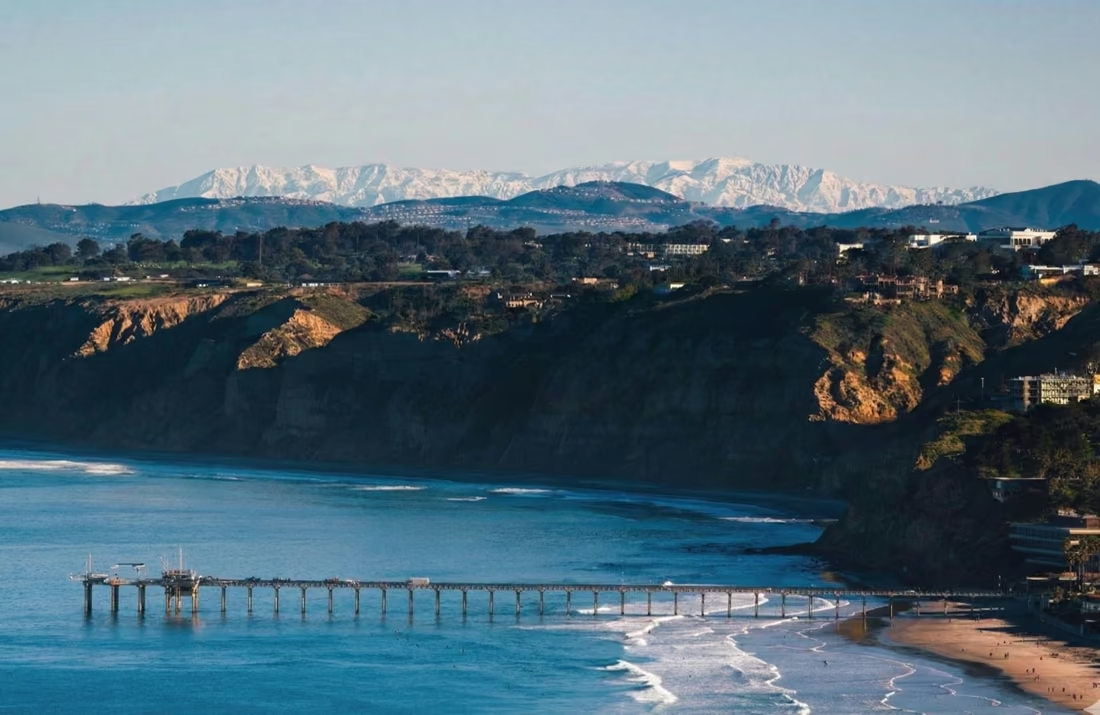
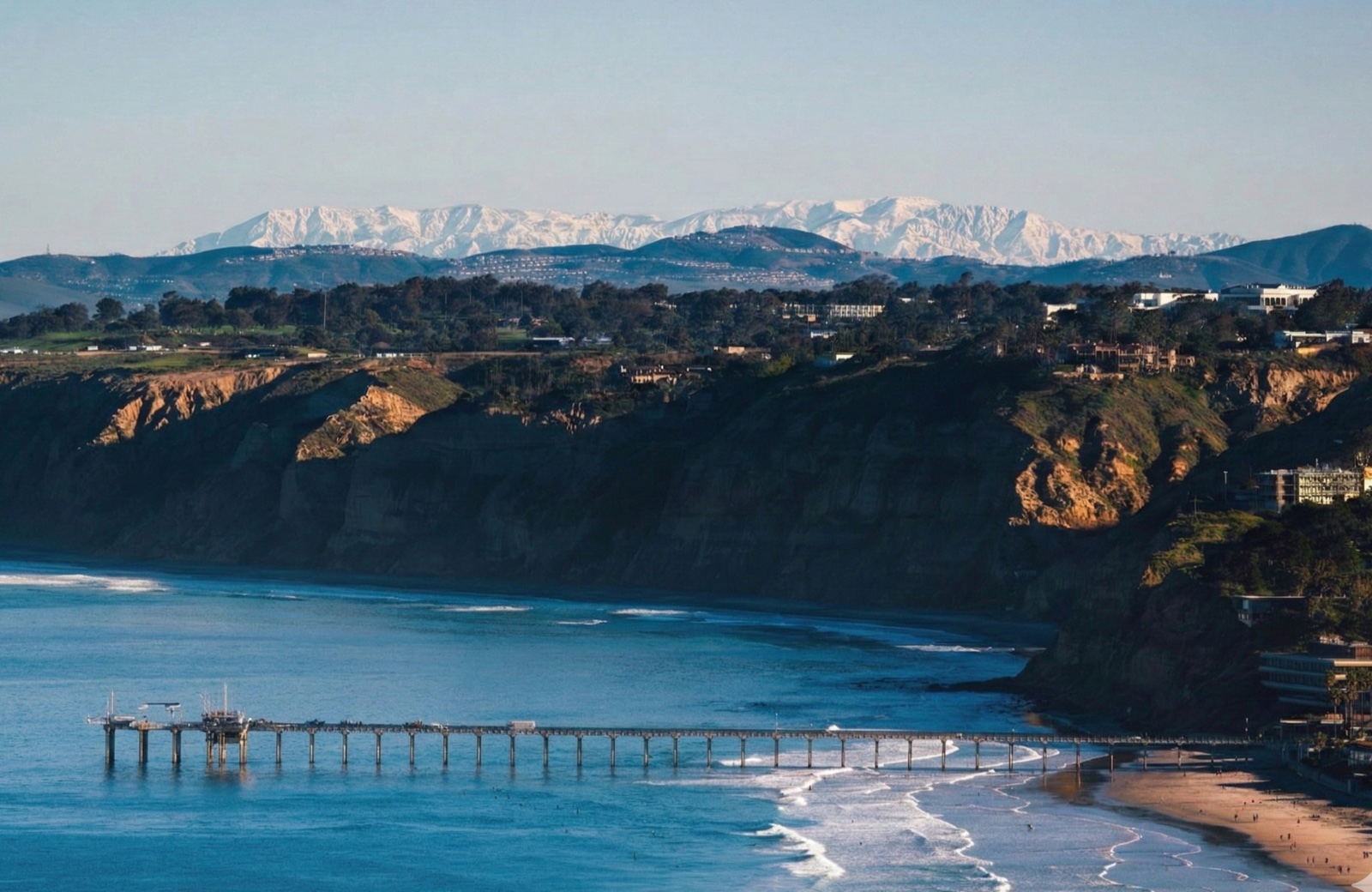
Scripps Institution of Oceanography pier and La Jolla coastline Chapter I 1
Before College

Origins

The first time I saw ROV footage of a hydrothermal vent, the shimmering fluid and tube worms crowding a chimney in complete darkness, something shifted. It was during a thesis defense I'd stumbled into, a graduate student describing species that had never been cataloged, ecosystems sustained by chemistry instead of sunlight, DNA analysis revealing evolutionary histories that rewrote textbooks.

That experience showed me that entire ecosystems on our own planet remain unknown, and that the tools we build to observe them determine what we can discover. It is the reason I now build those tools.

2
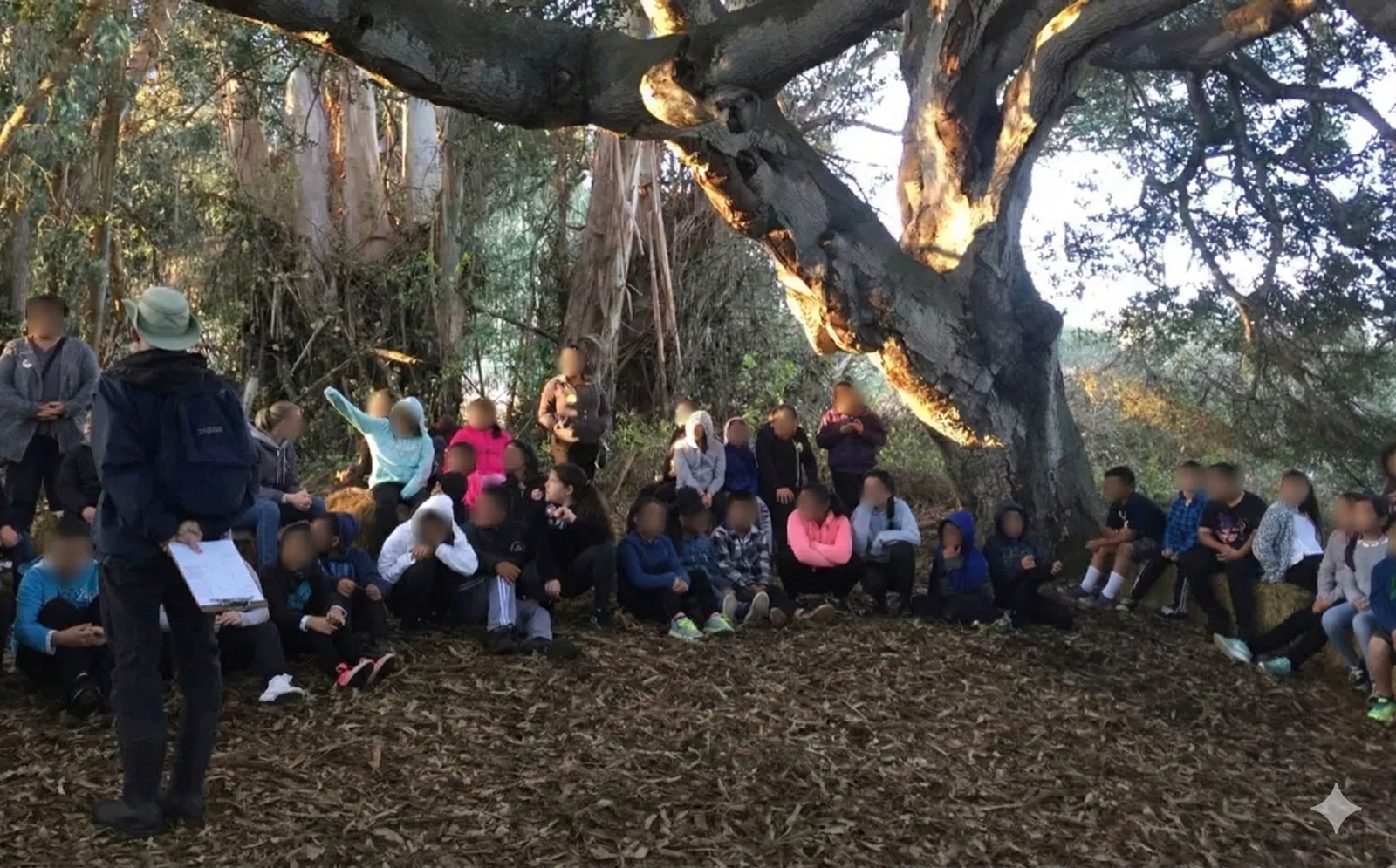
Teaching kids at Elkhorn Slough during education volunteering Chapter II 3
Fall 2021 – Spring 2026

CSUMB

California State University, Monterey Bay became the place where curiosity found structure. A B.S. in Marine Science with a Biology minor gave me the foundation, but the coursework that actually shaped my thinking went deeper: Marine Ecology, Scientific Diving, Statistics, GIS, and Python Programming.

Each course added a new lens. Statistics taught me to question what I thought I saw. GIS taught me to think spatially. Python taught me that the bottleneck in science is rarely data, it's the tools to make sense of it. Beyond the classroom, volunteer work is where I found my love for conservation and teaching. Guiding kids through the mudflats and channels of Elkhorn Slough, watching them discover crabs and birds for the first time, reminded me why this work matters beyond the lab.

CSUMB B.S. Marine Science · Biology Minor · Spring 2026 UROC Innovation Scholar · MOTC Certified · AAUS Scientific Diver
4
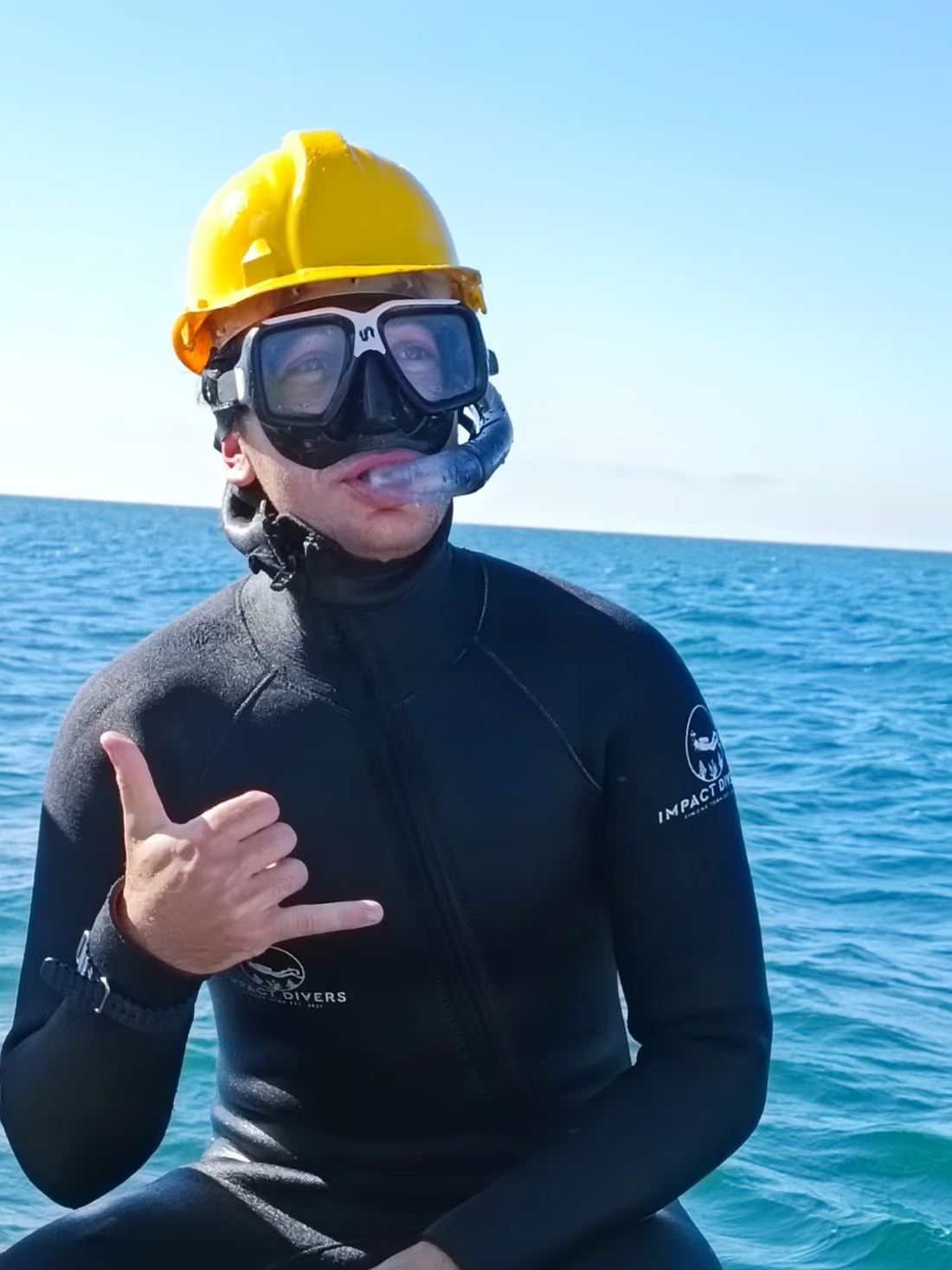
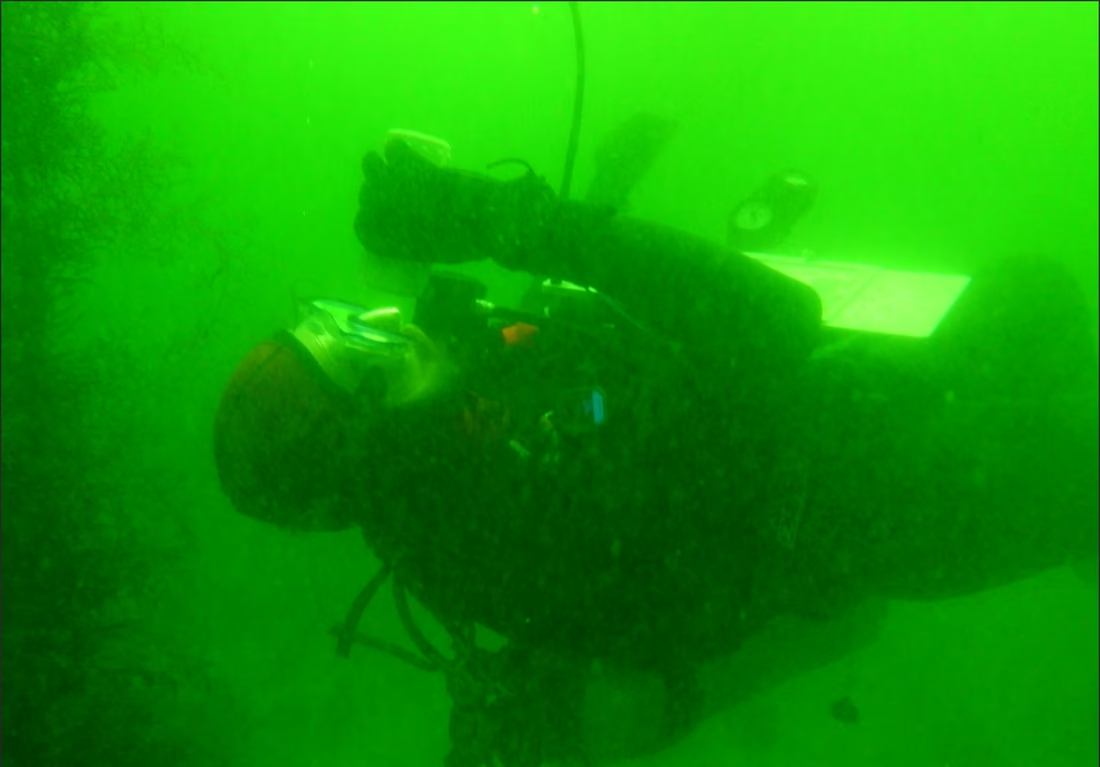
In dive gear during South Africa research program Chapter III 5
Spring – Summer 2024

First Dives

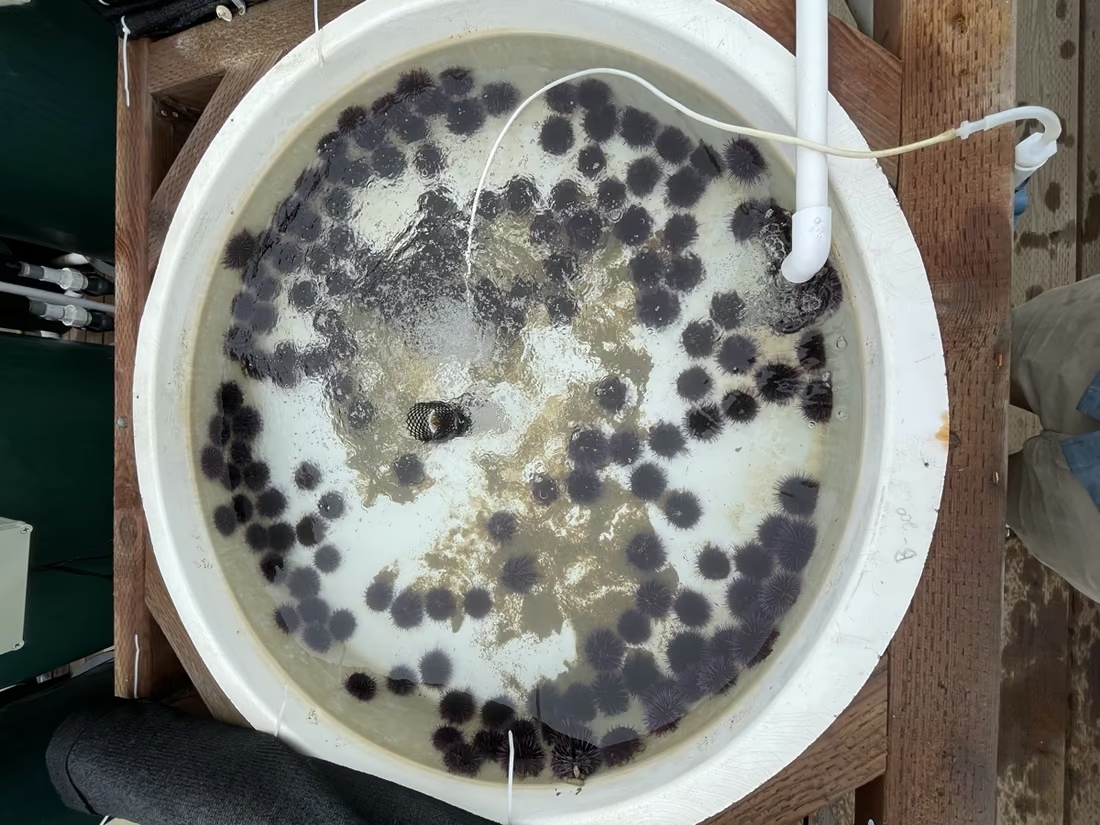
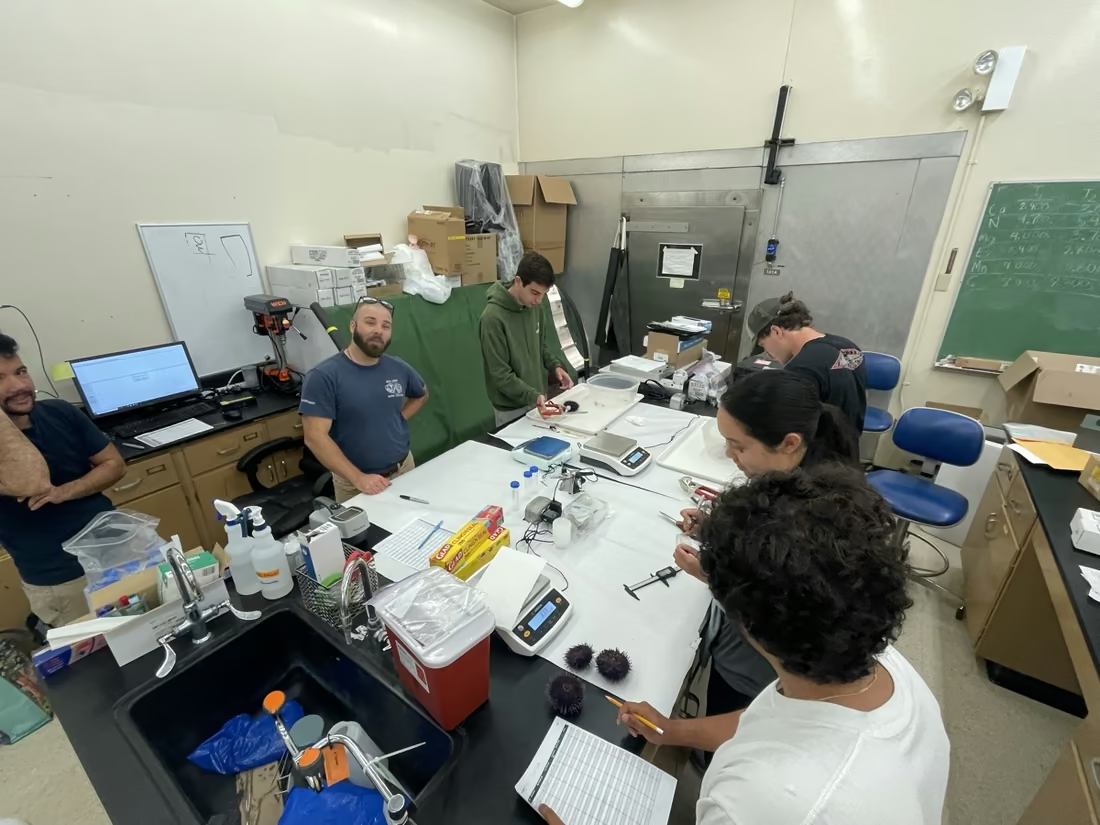
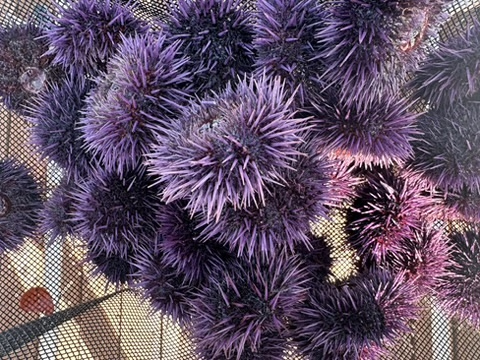
Spring 2024 was when research stopped being theoretical. At Moss Landing Marine Labs, I was elbow-deep in urchin conditioning tanks. In the Ocean Predator Ecology Lab, I was reviewing hours of white shark footage, learning to read injury patterns the way a doctor reads an X-ray. Every kelp canopy dive at San Carlos Beach taught me that the ocean doesn't wait for you to be ready.

After earning my NAUI Divemaster, South Africa changed everything. The research diving program threw me into conditions I wasn't ready for, surge, cold water, unfamiliar species, boats that never stopped moving. What I gained was the understanding that fieldwork is where science becomes honest.

NAUI Divemaster · 143 logged dives 6
Filming a white shark from the research vessel Chapter IV 7
Fall 2024 – Summer 2025

Scaling Up

Being selected as a UROC Innovation Scholar, funded by CSUN's HSI Equity Innovation Hub and Apple, gave me the resources to think bigger. I wasn't just collecting data anymore; I was building systems to process it. Marine ecology research on latitudinal biodiversity gradients using PISCO and NOAA CUTI datasets taught me to think at scale.

Outside the lab, I took on leadership roles in conservation and education, roles that reminded me that science without community is just data. And in the lab, the SharkHealthApp was taking shape: dual YOLO models achieving 96% pose accuracy, semi-supervised learning, automated keypoint tracking from archival footage.

96% Pose Accuracy UROC Innovation Scholar
8
Relay station field deployment range map Chapter VI 11
Ongoing

Hardware

VHF wildlife tag relay stations, Raspberry Pi, RTL-SDR, and NB-IoT cellular, deployed off-grid at Elkhorn Slough. Solar-powered and bridging MQTT to AWS EC2, the kind of system where failure means losing data that took months of fieldwork to create.

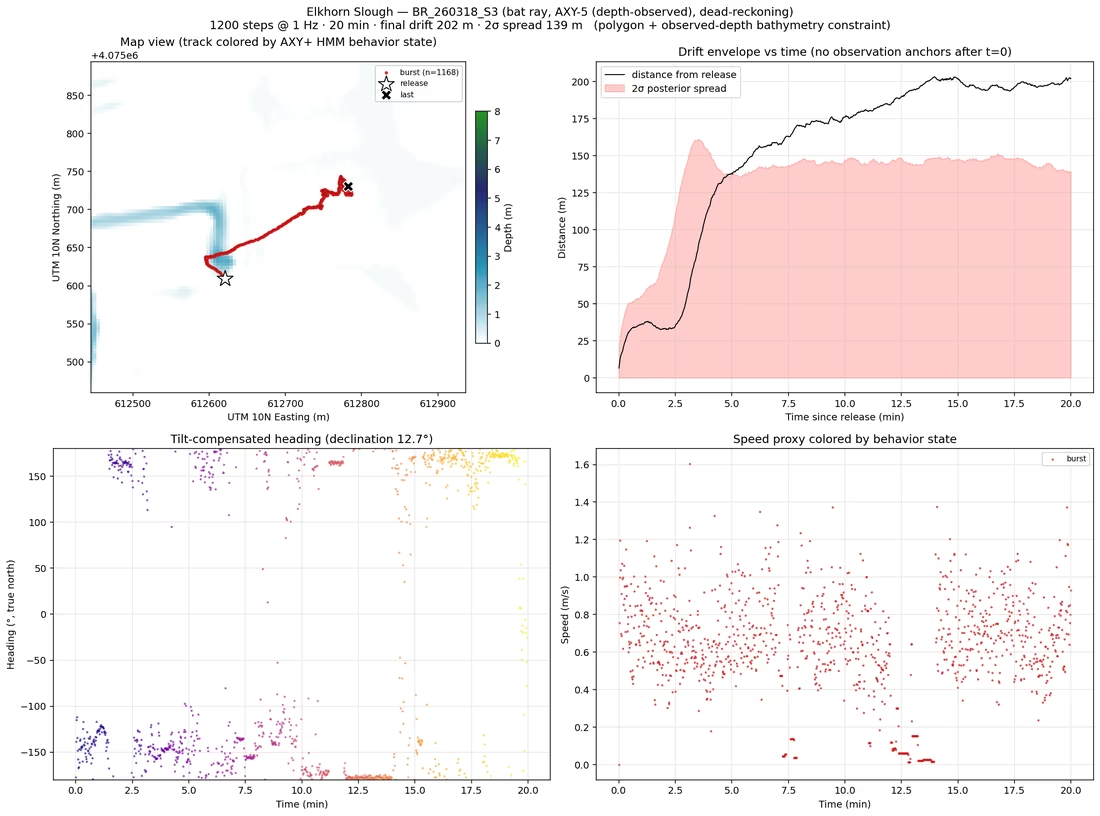
Alongside the stations, I'm developing a custom aerial platform for automated white shark population assessments and a CNN-based pipeline for behavior classification from dorsal-mounted camera footage fused with accelerometer and magnetometer data. A multi-task deep learning framework for angle-tolerant morphometric extraction, presented at NEPSS 2026 in February.

1,700+ ft Range Solar Powered NEPSS 2026
12
Marine field operations Chapter VII 13
Present

Now + Next

Continuing as researcher and steward. Everything I've worked toward, from field ecology to computer vision to hardware deployments, converges on the same goal: building tools that let us observe what we couldn't before and making that knowledge accessible to the people and communities who need it.

Whether it's conservation monitoring, marine health assessment, or education outreach, the thread is the same. Science should serve the places and people it studies.

MOTC Certified AAUS Scientific Diver 143+ Logged Dives NAUI Divemaster
14